
Faster, More Reliable Installation with Integrated Door Hardware
Reduced Labor Time and Fewer On-Site Coordination Errors
According to the latest Construction Efficiency data from 2024, integrated door hardware can slash installation time by around 40% when compared to buying individual pieces from different suppliers. Contractors no longer need to flip through dozens of catalog pages trying to find parts that work together because everything comes as a complete package. The latches, strikes, and hinges are all designed to fit seamlessly with each other right out of the box. This means fewer mistakes happen on site since workers don't have to figure out what goes where. Studies show this approach cuts down coordination errors by about two thirds, which saves money that would otherwise go toward fixing problems later in the project timeline. When crews arrive at a job site, they just grab the factory matched components and start installing them without worrying about measurements or trying to force incompatible parts to work together.
Factory-Prealigned Components Eliminate Field Adjustments
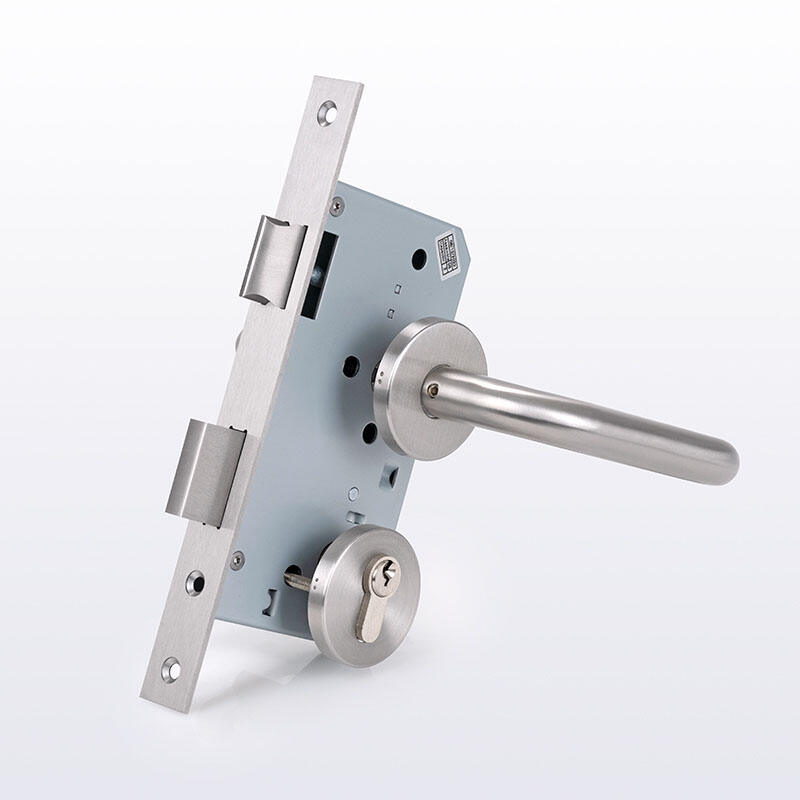
When hardware assemblies come precision aligned, they're basically plug-and-play for installation, cutting down on those tedious field adjustments that usually take up so much time (Hardware Integration Study 2023). The mortise locksets we get these days already have their strike plates set within 1/16 inch accuracy. And the hinges? They come with built-in clearances that just keep working right even when temperatures swing around. No more wasting hours trying to shim things into place or file down parts because components from different brands never quite match up. Contractors know how frustrating this can be after dealing with mismatched hardware for years. Most commercial installs now hit first-time success rates over 98%, which makes everyone's day a whole lot smoother.
Built-In Compliance and Durability for Architectural Door Hardware
Integrated door hardware sets deliver critical compliance and longevity by design—eliminating field guesswork for fire safety and accessibility.
Fire/Smoke-Rated Assemblies and Egress-Compliant No-Strike Configurations
Fire rated door assemblies made in factories integrate all those components - hinges, closers, latches - so they work together properly when emergency conditions arise. Most of these factory built systems already comply with NFPA 80 standards and International Building Code specifications regarding smoke containment and proper exit routes. No strike egress hardware becomes really important during actual emergencies because people tend to push against doors instead of pulling them open. This type of hardware eliminates any problems with latches getting stuck or jammed, which keeps escape routes clear without needing modifications later on. From both safety and design perspectives, having everything preconfigured makes sense for reducing potential legal issues down the road while still allowing architects to achieve their intended look for commercial spaces.
UL 10C and BHMA A156.1 Certification Validated at the Factory
Third party certifications like UL 10C for fire endurance and BHMA A156.1 for mechanical durability get put through their paces during manufacturing processes. Before anything gets assembled, components must pass through cycle testing, load checks, and environmental stress tests that simply cant happen at job sites. These tests ensure doors can handle over half a million operations without failing and stand up to corrosion even in places with heavy foot traffic. Contractors save money down the road when they have proper paperwork showing everything meets standards right from the start rather than discovering problems after installation.
| Certification | Focus Area | Key Benefit |
|---|---|---|
| UL 10C | Fire/Smoke Integrity | Validates 20–90 minute fire ratings |
| BHMA A156.1 | Mechanical Performance | Ensures 400,000+ trouble-free cycles |
Streamlined Project Lifecycle: Spec, Install, Certify, and Support
Single-Source Accountability and Simplified Submittal Workflow
When it comes to door hardware, integrated systems really change how construction teams handle their workflow. These systems put everything under one roof so there's no need to juggle between different suppliers for locks, closers, hinges or exit devices. Contractors can just send in one complete spec package rather than dealing with bits and pieces from multiple vendors, which cuts down on approval time significantly. Around 40% faster approvals aren't uncommon according to some reports. Since all parts are designed to work seamlessly together, architects don't run into those frustrating compatibility issues during design checks, and builders save themselves the hassle of submitting specs for every individual component separately. Another big plus is that warranty claims and tech support become much simpler when coming from a single source, cutting down on paperwork headaches throughout the entire project. And let's not forget about money - the construction industry loses roughly $1.6 billion each year due to delays caused by document mix-ups as noted by the Construction Industry Institute back in 2023. For projects where schedules matter most, these integrated solutions have become practically indispensable.
Scalable Integration with Smart Building Systems
Native Interoperability with Access Control, Fire Alarm, and Automatic Operators
When it comes to integrated door hardware, these systems work right out of the box with most major building systems, which saves everyone from dealing with those frustrating compatibility issues when making system upgrades. The pre-built connections make it easy to hook up with access control systems, smoke detectors, and automatic door operators too. According to some facility management research, this kind of setup can cut down on integration expenses by around 30%. Contractors really appreciate this because they can install something today that will still work tomorrow even if they want to add new tech later on like fingerprint scanners or internet connected sensors without tearing everything apart. And as buildings get smarter over time, having doors that talk to each other keeps operations running smoothly while still meeting all the necessary security standards at every entry point.
Frequently Asked Questions
What are the main benefits of integrated door hardware?
The main benefits include faster installation times, reduced coordination errors, factory-prealigned components, built-in compliance and longevity, and seamless integration with smart building systems.
How does integrated door hardware enhance safety and compliance?
Integrated door hardware ensures compliance with safety standards like NFPA 80 and reduces the risk of malfunction by having components that work together seamlessly, especially in emergency conditions.
Can integrated door hardware systems be adjusted later for new technologies?
Yes, these systems can be easily adapted to include new technologies such as fingerprint scanners and internet-connected sensors, thanks to their native interoperability with major building systems.
How do integrated systems simplify the project lifecycle?
They streamline the process by providing a complete package from a single supplier, which reduces approval times, simplifies warranty claims and tech support, and minimizes delays caused by document mix-ups.