
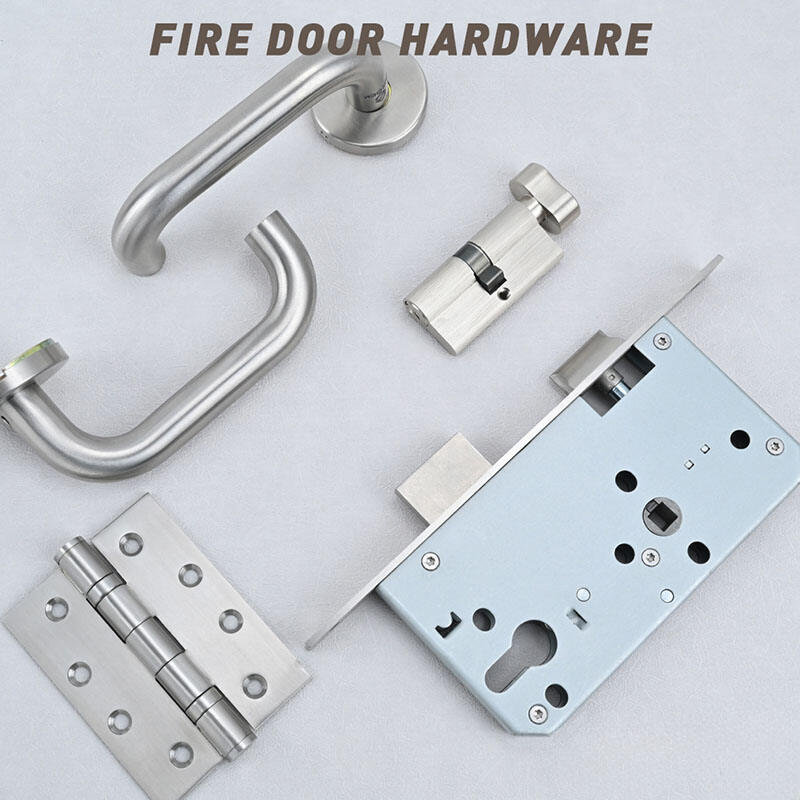
Life-Safety Compliance: Meeting NFPA 101, ADA, and Local Code Requirements
Emergency egress standards and door hardware’s critical role in safe evacuation
Getting the right door hardware isn't just about looks it's actually pretty fundamental when it comes to keeping people safe in emergencies. The Life Safety Code from NFPA 101 basically says exits need to be clear and the hardware should work without anyone needing special training or strength. Fire officials really hammer this point during their regular checks because doors used for getting out have to unlock automatically if there's ever a power outage. Then there's the Americans with Disabilities Act which adds another layer. It specifically calls for lever handles that only need about five pounds of pressure to open while banning those tricky thumbturns and round knobs that give folks with mobility issues real trouble. When hardware fails these standards, the consequences go way beyond just getting fined. Real world data from hospitals and schools shows buildings with proper exit systems cut down evacuation times by almost 40% over places with old or broken equipment. That kind of difference between seconds saved could literally mean lives saved.
Fail-safe vs. fail-secure operation: When each is required for doors in hotels and schools
The choice between fail-safe and fail-secure systems isn't really about what someone likes best. It's actually determined by building codes and depends heavily on how the space will be used. When there's a power outage, fail-safe locks just pop open automatically. That's why these are required on all exit doors throughout buildings. Think about those main doors at hotels, the doors leading to stairwells, even the emergency exits in school hallways. On the flip side, fail-secure locks stay shut when there's no electricity. These are typically installed in places where keeping things secure matters more than quick escape routes. We see them commonly in schools' chemical storage rooms, computer server spaces, and office areas that need restricted access. The difference might seem technical, but it really comes down to balancing safety requirements against security concerns based on where the door is located.
| Operation Mode | Best Use Cases | Critical Requirement |
|---|---|---|
| Fail-safe | Main exits, stairwells, guest room doors | Immediate egress during emergencies per NFPA 101 and local fire codes |
| Fail-secure | Hazardous material storage, IT closets | Clear, permanent signage indicating restricted access per ADA and IBC requirements |
While leading hardware providers recommend fail-safe mechanisms for over 90% of hotel guest room doors, schools often adopt a hybrid strategy—applying fail-safe to circulation paths and fail-secure only where justified by risk assessment and code allowances.
High-Traffic Door Hardware Solutions for Schools
Classroom lockdown locks with visual indicators and one-touch activation
Schools need fast and dependable ways to lock down quickly, and today's hardware makes that possible without making things harder for people with disabilities. Modern classroom locks work with just one touch, so teachers can secure doors in seconds instead of wasting precious time hunting for keys or trying to remember complicated steps when stressed. The doors have built-in lights that glow red or green, letting everyone see at a glance whether the room is locked or not from either side. These systems meet ADA standards too. They don't require much strength to operate, won't trap someone who needs to get out, and have special mechanisms inside that let anyone exit freely whenever needed. Schools that combine these physical security improvements with proper training and practice drills are seeing real results. According to recent studies, campuses with standard accessible lockdown setups experience around 37% fewer problems during evacuations compared to those without them (NFPA 2024).
Special-use hardware for behavioral intervention and special education spaces
Learning spaces that cater to special needs require hardware built with safety and sensory considerations in mind. When it comes to behavioral intervention rooms, we're talking about things like reinforced panic buttons, trim that resists being tied around something, and those special hinges that can take a beating but won't get someone stuck. These features help create an environment where students feel secure. In classrooms supporting kids on the spectrum or working through sensory issues, silent latches make all the difference. No more sudden clicks that might send a child into meltdown mode. For physical therapy areas, they install these dual lever handles that open easily even for small hands, sometimes under five pounds of pressure. Alongside these are systems that delay exiting for about fifteen seconds, giving staff time to respond if someone tries to leave unexpectedly, yet still allowing quick escape during emergencies. Everything from door locks to magnetic catches can be adjusted on site, so teachers and caregivers have control over how secure things need to be while still meeting all the regulations.
Hotel Door Hardware: Balancing Guest Security, Accessibility, and Operational Efficiency
Picking out door hardware for hotel properties isn't simply about finding something that lasts forever. Hoteliers need to balance three critical factors when making these choices: keeping guests safe, ensuring everyone can move around freely regardless of ability, and making life easier for staff day to day. Most people traveling today rank security near the top of their concerns when booking accommodations, according to recent surveys showing over half prioritize this aspect. But good security shouldn't come at the expense of convenience. Take fire rated doors in guest rooms for instance. These need hardware that stands up to daily wear and tear while operating quietly enough not to disturb neighboring guests during late night arrivals or early morning departures. All public areas inside and outside the building also have to comply with ADA regulations. That means installing lever handles that open easily without requiring excessive force, avoiding any hardware sticking out unexpectedly, and providing plenty of space for wheelchair users to navigate comfortably. On the operations side, modern electronic locking systems are game changers. They cut down on lost key issues, reduce how often front desk staff needs to get involved with door problems, and work hand in glove with property management software. This integration speeds up check ins, keeps track of who enters what areas, and makes scheduling maintenance much less headache inducing. When all these elements come together properly, hotels end up with secure facilities where everyone feels welcome, employees spend less time dealing with door related issues, and the bottom line looks better month after month.
Electronic Access Control Integration: Smart Door Hardware for Institutional Safety
Centralized lockdown protocols powered by ADA-compliant electronic door hardware
Keeping institutions safe really comes down to three things: how fast they react, how well different parts work together, and whether the system can be trusted day after day. Centralized electronic access control systems deliver all these qualities. Security staff can lock down entire buildings or specific areas just by pressing one button, which cuts response times dramatically from what used to take several minutes down to mere seconds. The actual hardware matters too. Things like electromagnetic locks, motorized door strikes, and those networked exit devices need to meet ADA standards. They have to release automatically when there's an emergency so people can get out quickly without barriers, but still keep everything secure during regular operations. Schools and hospitals across the country are finding this balance works best because it meets both fire safety codes (like NFPA 101) and accessibility laws at the same time.
Real-time monitoring capabilities further strengthen compliance and accountability:
- Instant door status alerts (open/closed/forced/tampered)
- Automated, tamper-proof audit trails for regulatory reporting
- Remote unlocking for first responders—without requiring physical keys or credentials
Smart hardware works best when connected to what's already there surveillance cameras, alarm systems, and those big warning bells we all hate hearing. Together they create something like a safety network that actually makes sense. When things go wrong, these special locks kick in automatically without blocking anyone from getting out safely. They cut down on mistakes people make during emergencies and keep every door acting the same way according to building codes, even if there are hundreds of them throughout a facility. Schools need this kind of system after what happened in Parkland. Hospitals benefit too since patients might be confused or injured. Hotels? Well, think about how many guests could get lost trying to find exits during a fire drill. The right door tech doesn't just check boxes on some government list it literally saves lives when it matters most.
FAQs
What is the NFPA 101 Life Safety Code?
NFPA 101 Life Safety Code is a set of guidelines that specifies building design features related to fire safety, egress, and occupant protection during emergencies.
What is the role of door hardware in emergency situations?
Door hardware plays a crucial role in ensuring safe evacuation during emergencies by providing reliable access and egress options without requiring special training or excessive force.
What's the difference between fail-safe and fail-secure locks?
Fail-safe locks automatically open when power is lost, facilitating quick evacuation, whereas fail-secure locks remain closed even without power, prioritizing security over speed of evacuation.
Why is ADA compliance important in door hardware?
ADA compliance ensures that door hardware can be operated by individuals with disabilities, providing lever handles and designs that require minimal force to open.
How does electronic access control improve institutional safety?
Electronic access control systems offer centralized lockdown capabilities, real-time monitoring, and compliance with safety and accessibility standards, enhancing response times and overall safety.