
The Role of Hinges in Fire Door Safety and Compliance
How Fire Door Hinges Impact Overall Fire Resistance Performance
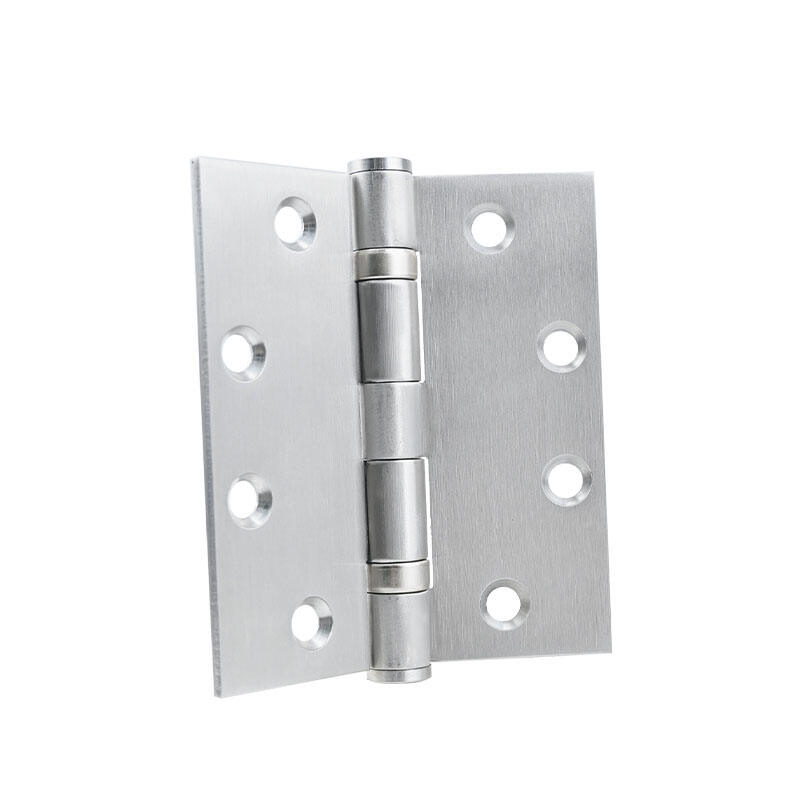
The right kind of hinges make all the difference when it comes to how fire doors work in emergencies. Fire rated hinges keep doors working properly and staying sealed tight even when there's a blaze going on. Standard hinges just won't cut it because they don't hold up under extreme heat. Hinges that meet BS EN 1935 specs can actually withstand temperatures above 800 degrees Celsius for at least an hour without falling apart. That means no bending out of shape and better latch performance which helps stop fires from spreading through gaps. Most building codes in the UK specify three hinges per door anyway since this setup spreads out the pressure from heat expansion much better than fewer hinges would. It makes sense really - distributing that heat stress across multiple points keeps everything stable over time instead of having one weak spot where failure could happen.
Fire Resistance Requirements for Door Hinges in Commercial Buildings
Commercial building regulations require fire door hinges to achieve at least an FD90 rating (meaning they can withstand fire for 90 minutes) according to the BS 476-22 standards. The main requirements typically involve hinge pins that cannot be removed easily so the components stay attached during emergencies. Manufacturers often use materials like stainless steel or phosphor bronze because they resist corrosion over time. There's also the CE mark which shows the product meets all necessary safety regulations from the Construction Products Regulation framework. All these design elements work together to keep the hinges functional when doors start expanding due to intense heat exposure. This helps maintain proper door alignment and ensures effective sealing against flames and smoke penetration throughout critical escape routes.
Industry Paradox: Overlooking Hinge Specifications in Fire-Rated Assemblies
Fire door failures trace back to hinge problems in nearly a third of cases based on recent 2023 safety checks, yet many still ignore proper hinge selection altogether. Most contractors focus heavily on door ratings but end up pairing them with wrong hinges, which basically wipes out any certification the whole setup might have had. The problem continues even though studies indicate ball bearing hinges cut down maintenance expenses around 40 percent in busy areas compared to regular ones. These specialized hinges matter for two reasons really: they keep people safe during emergencies and save money long term for building owners dealing with constant foot traffic through these doors day after day.
Structural Advantages of Ball Bearing Hinges for Heavy-Duty Fire Doors
Enhanced Load Capacity of Ball Bearing Hinges for Heavy Fire Doors
Ball bearing hinges can handle around 200 kilograms each, which is actually twice what regular butt hinges manage at about 100 kg. That makes these special hinges perfect for those really heavy fire doors we see in hospitals and factories. Inside these hinges are little steel balls that spread out the weight along the whole length of the door frame, so there's less pressure on any single spot. Take one real world case where a hospital was upgrading their facility. They had trouble with doors constantly sagging because they were over 300 pounds. When they finally switched to ball bearing hinges, all those annoying drooping problems disappeared. Studies indicate that doors with this kind of hinge system experience roughly 60-65% less stress buildup than doors using basic flat bearing systems.
Load-Bearing Capacity Under Prolonged Stress and High-Frequency Use
Fire doors in commercial buildings often open between fifty to a hundred times each day, so they really need hinges that can stand up to all that constant use. Ball bearing hinges hold onto about 95 percent of their original strength even after going through 100 thousand door swings, while regular hinges without bearings start losing around forty percent of their strength way sooner, somewhere around twenty five thousand cycles. Testing labs have shown that these dual row ball bearings cut down on metal rubbing against metal, keeping everything moving smoothly for years on end. That makes all the difference in places where people are constantly coming and going, such as building entrances and emergency staircases where reliability is absolutely critical.
Smooth Operation and Long-Term Durability of Ball Bearing Hinges
Ball bearing hinges move with very little friction so they stay quiet and work smoothly over time something that matters a lot in places where noise is a problem like hospitals or schools for instance. Stainless steel construction makes these hinges stand up better against rust and chemical damage too which comes in handy in damp areas or lab settings where there are harsh chemicals around. Putting all this together means these hinges last anywhere between 8 to maybe even 12 years longer than regular brass or zinc ones before needing replacement saving money on repairs and replacements down the road.
Material Standards and Corrosion Resistance in Fire Door Applications
Stainless Steel and Other Corrosion-Resistant Finishes for Ball Bearing Hinges
When it comes to ball bearing hinges constructed from Type 316 stainless steel with nickel plated bearings, these products actually satisfy the EN 1670:2007 standard for corrosion resistance. This particular standard rates how durable materials are after being exposed to harsh environments for around 1,200 hours total. Components rated at Level 4 can withstand salt spray damage approximately three times longer compared to regular galvanized steel options. That makes all the difference in places like coastal hospitals or chemical processing plants where there's constant moisture in the air and various contaminants floating around that would normally speed up the breakdown process of lesser quality materials.
How Material Choice Affects the Longevity and Reliability of Hinges
Hinges made from cheaper materials such as zinc plated steel tend to last only about half as long in damp environments, with many experiencing seized bearings around the 18 month mark. On the flip side, stainless steel ball bearing hinges hold up remarkably well over time. After fifteen years in skyscrapers, these hinges still maintain nearly all their original strength according to independent testing reports. The real world benefit here is huge for fire safety systems. When doors stay properly aligned they close completely during fires, which fixes one of the most common problems inspectors find when checking building codes these days. About a third of all compliance issues back in 2023 were actually related to this exact problem with door alignment and closure capability.
Real-World Performance and Case Studies of Ball Bearing Hinges
Hospital Retrofit Project Using Ball Bearing Hinges for Fire Rated Doors
In early 2023, one hospital decided to upgrade all their fire doors by swapping out old hinges for new stainless steel ball bearing versions on over 400 doors throughout the facility. The problem? Doors kept sagging and getting misaligned over time. After installing these new hinges, emergency drill results showed that nearly all doors worked properly during tests - about 98 out of every 100 doors functioned as they should when needed most. Thermal scans also found something interesting: there was about 40% less heat passing through door edges than before, which means better sealing against flames in case of actual emergencies. And it turns out this isn't just good for safety either. Industry reports suggest facilities with ball bearing hinges tend to spend roughly 62% less on maintenance costs in busy hospitals where doors get used constantly throughout the day.
High-Rise Office Building Compliance With Fire Safety Codes Using Ball Bearing Hinges
At one particular 32 story office building downtown, the design team went with ball bearing hinges because they needed to meet those new NFPA 80-2022 standards for doors that get opened and closed more than 150 times each day. Fast forward 18 months later, not a single door needed any kind of adjustment on those hinges. That's pretty impressive when we consider that regular hinges used to fail about 23% of the time under similar conditions. As far as fire safety goes, these hinges passed all the UL 10C tests with flying colors. They stayed properly aligned even after going through 1200 simulated emergency closures during testing, which gives building managers peace of mind knowing the doors will function correctly when it really matters.
Independent Lab Test Results on Fire Resistance of Ball Bearing Hinges During Burn Trials
Accredited laboratory tests showed ball bearing hinges withstand 927°F (497°C) for 92 minutes without deformation—28% longer than standard hinges. Post-fire evaluations demonstrated superior performance across critical metrics:
| Test Metric | Ball Bearing | Standard Hinge |
|---|---|---|
| Post-fire closure capability | 97% | 63% |
| Permanent warping (mm) | ≤0.8 | ≥3.2 |
| Operational cycles survived | 8,120 | 2,450 |
These results confirm that ball bearing hinges play a vital role in preserving compartmentalization and ensuring fire doors function as intended during extended fire exposure.
FAQs: Fire Door Hinges
What are fire rated hinges and why are they important?
Fire rated hinges are designed to withstand extreme heat and maintain door integrity during a fire, preventing the spread of flames and smoke.
Why do commercial buildings have specific requirements for door hinges?
Commercial buildings require hinges to meet specific standards to ensure safety and compliance with fire safety regulations, maintaining door functionality during emergencies.
How do ball bearing hinges improve fire door durability?
Ball bearing hinges distribute weight evenly and reduce stress, providing long-term durability and smooth operation for heavy-duty fire doors.
What materials are best for fire door hinges in harsh environments?
Type 316 stainless steel with nickel plating is ideal for harsh environments due to its high corrosion resistance and longevity.