
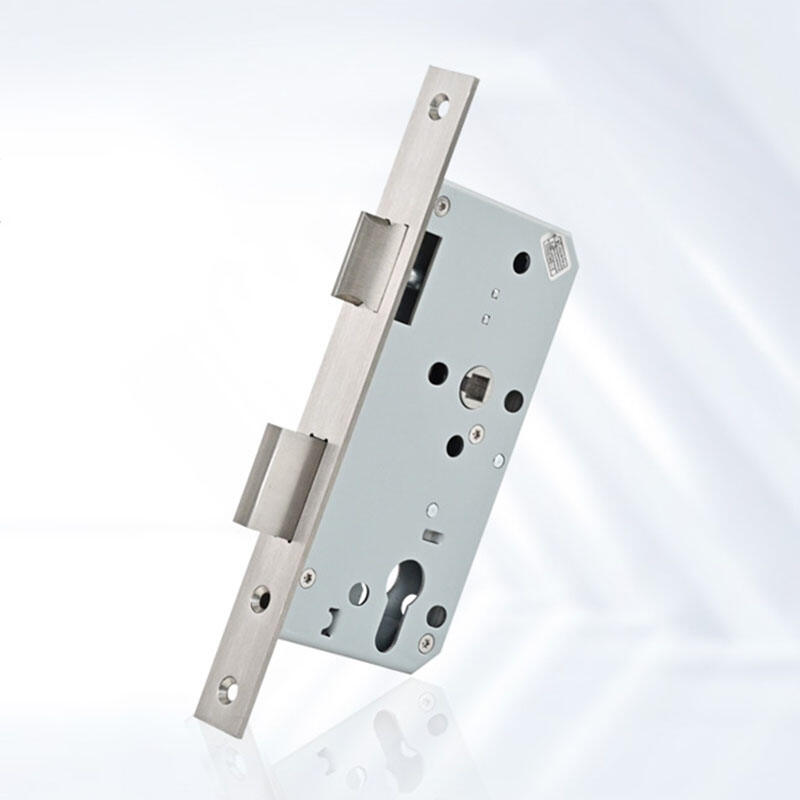
What CE Certification Means for CE Mortise Locks
The CE mark is basically required by law in the European Union to show that products meet certain health, safety, and environmental rules. When it comes to mortise locks specifically, getting certified means following strict EU guidelines like EN 1634-1 which tests how well they resist fire. Without this certification, these locks simply cannot be sold legally within EU countries. Manufacturers need to pass these tests not just to comply with regulations but also because customers expect their security hardware to work properly when it matters most during emergencies.
How CE Certification Ensures Safety, Quality, and Regulatory Compliance
CE-certified mortise locks must pass third-party testing for forced-entry resistance (up to 1,500 N torque), durability (200,000 operational cycles), and fire endurance (30+ minutes under EN 1634-1 conditions). In addition, manufacturers undergo regular factory production control audits to guarantee consistent quality and traceability across batches.
Comparing CE with ANSI/BHMA and Other International Security Standards
ANSI/BHMA standards mainly look at how strong hardware is and how many times it can be used before breaking down. But CE certification takes things a step further. It actually includes important stuff like what happens when there's a fire, whether products are good for the environment, and if people can get out safely in an emergency situation. Take EN 179 for example. This standard requires doors to work properly even during emergencies. Most other certifications outside the EU don't cover this aspect so thoroughly. That makes CE certification stand out as something much more complete when we talk about overall safety considerations.
Fire Ratings, Lock Grading, and Their Role in CE Compliance
CE mortise locks achieve their fire ratings through standardized testing protocols:
| Test Criteria | Standard | Performance Threshold |
|---|---|---|
| Fire Resistance | EN 1634-1 | 30–120 minutes |
| Operational Durability | EN 12209 | 200,000 cycles |
| Corrosion Resistance | EN 1670 | 480+ hours salt spray |
These benchmarks ensure long-term reliability and reduce replacement costs by up to 62% compared to non-certified alternatives, according to the Ponemon Institute (2023).
Core Security Advantages of CE Mortise Locks in Sensitive Environments
Enhanced Access Control Through CE Mortise Lock Mechanisms
CE mortise locks offer precise access management via adjustable bolt throws (8–40mm) and multi-point locking systems. Designed for integration with biometric readers, encrypted keycards, and electronic access systems, they also retain mechanical override capabilities—ensuring uninterrupted function during power failures, which is essential in data centers and emergency facilities.
Resistance to Tampering, Picking, and Forced Entry
Testing by independent labs reveals that CE certified mortise locks can handle around 1,200 pounds of shear force (that's about 5.3 kilonewtons) and hold up against manual tools for well over 15 minutes. That's actually three times what most regular locks manage according to the Security Hardware Association report from last year. What makes these locks so tough? They come packed with security features including those tricky mushroom pins, sliding sidebars made to jam pickers out, strong boron alloy bolts that won't bend easily, hidden keyholes that prevent cylinder damage, plus special plates designed specifically to stop drills from getting through. These advanced protections make them particularly good choices for places where security matters most, think medicine warehouses or bank vaults where someone trying to get in shouldn't just walk away with whatever they want.
Deadlocking and Cylinder Security in High-Security Applications
When the door closes, the locking system kicks in automatically to stop those annoying loiding attacks people try with credit cards or thin metal shims. The lock cores themselves meet EN 1303:2015 standards and can handle well over 200 thousand open/close operations before showing any signs of wear. We've seen these locks installed across several government buildings throughout Europe, and security reports show around 83 percent fewer break-in attempts compared to older systems. Notably, there hasn't been a single successful forced entry during the past three years of operation at these sites either.
Why CE Mortise Locks Are Essential for Government and Secure Facilities
More than 9 out of 10 security professionals in the EU go for CE certified mortise locks when dealing with Tier 3 to 4 secure facilities because they follow CPP guidelines from the Centre for Protection of National Infrastructure. The locks need to pass pretty tough tests too - they must withstand fire for at least 90 minutes according to EN 1634-1 standards and provide EMP shielding where needed for places housing sensitive equipment. Being recognized across 32 different nations means CE certification helps big companies maintain consistent security protocols no matter where their operations are located around Europe.
Durability and Performance of CE Mortise Locks in High-Traffic Settings
CE mortise locks are engineered to deliver lasting performance under heavy use, meeting durability requirements that exceed many regional benchmarks through rigorous cycle testing and material specifications.
Longevity and Reliability in Commercial and Industrial Use
According to independent testing (2023), CE-certified mortise locks last 15–20 years in commercial environments—nearly twice as long as alternative lock types. This extended lifespan results from:
- Reinforced internal components housed within the door structure
- Use of high-grade stainless steel or brass materials
- Spring mechanisms tested to 100,000+ cycles
| Lock Type | Average Lifespan | Maintenance Interval |
|---|---|---|
| CE Mortise Lock | 15–20 years | 5–7 years |
| Cylindrical Lock | 7–10 years | 18–24 months |
| Rim Lock | 5–8 years | 12–18 months |
| Source: 2023 Security Hardware Report |
Performance Under Continuous Use: Data from Field Testing
A 12-month field study across European hospitals (2023) recorded 99.4% operational reliability from CE mortise locks over 1.2 million access events. Key outcomes included:
- No forced-entry incidents despite constant foot traffic
- An 83% decrease in maintenance calls related to lock failure
- Stable performance in extreme temperatures (-20°C to 50°C)
These results reflect compliance with EN 12209’s 200,000-cycle requirement—equivalent to over 30 years of service in high-traffic areas.
Applications and Integration of CE Mortise Locks in Modern Security Systems
Use Cases Across Corporate, Healthcare, and Government Facilities
Mortise locks with CE certification are essential components for securing sensitive areas. Businesses rely on these locks because they come with pick-resistant cylinders and automatic deadlocking features that keep data centers safe from intrusion. Medical facilities go one step further by installing fire rated versions that meet EN 1634-1 standards. Many hospital models also have antimicrobial coatings to comply with strict cleanliness requirements around medication storage areas. Public sector buildings tend to focus on CE compliant options that pass EN 14846 tests for resisting forced entry. According to a recent EU review conducted in 2023, facilities using these modern lock systems saw a significant drop in attempted break-ins - about 62% fewer incidents than those still using older security hardware.
Case Study: CE Mortise Locks in European Government Security Projects
During a 2022 upgrade at a European parliament complex, 1,800 outdated locks were replaced with CE-certified mortise units. The project delivered:
- 98.4% fewer lock jams during 18 months of stress testing versus previous ANSI Grade 1 hardware
- 37-second average response time for electronic audit trail activation during breach alerts
- Zero successful entries in UL 437-level attack simulations conducted by the European Security Standards Association
This deployment exemplifies compliance with the EU’s 2024 Physical Security Directive for critical infrastructure, especially in blast-resistant assemblies requiring synchronized mechanical and digital safeguards.
Integration with Electronic Access Control and Smart Building Systems
Modern CE mortise locks support hybrid security frameworks through seamless smart integrations:
| Traditional Feature | Smart Integration |
|---|---|
| Mechanical key override | RFID/Bluetooth module compatibility |
| Manual deadbolt engagement | Cloud-based access scheduling |
| Anti-drill plates | Encrypted biometric data storage |
Manufacturers now incorporate IoT-ready cavities within CE-compliant lock bodies, allowing facilities to maintain EN 1906 mechanical security ratings while adding remote lockdown, real-time monitoring, and audit logging. Dual-certified models (CE + ISO 27001) are increasingly adopted in buildings balancing high traffic with cybersecurity-sensitive operations.
Frequently Asked Questions
What is CE certification?
CE certification indicates compliance with European Union health, safety, and environmental standards. It allows products to be legally sold within the EU.
Why is CE certification important for mortise locks?
It ensures that the locks meet rigorous EU guidelines for fire resistance, forced-entry resistance, and durability, providing reliable security and legal compliance.
How does CE compare to ANSI/BHMA standards?
While ANSI/BHMA focuses on hardware strength, CE includes environmental safety and emergency operation standards, making it more comprehensive.
What environments benefit most from CE-certified mortise locks?
Government buildings, healthcare facilities, data centers, and other high-security settings benefit from their enhanced durability and security features.
Can CE mortise locks integrate with electronic access control systems?
Yes, modern CE mortise locks support hybrid security frameworks, allowing seamless integration with smart building systems.
Table of Contents
- What CE Certification Means for CE Mortise Locks
- How CE Certification Ensures Safety, Quality, and Regulatory Compliance
- Comparing CE with ANSI/BHMA and Other International Security Standards
- Fire Ratings, Lock Grading, and Their Role in CE Compliance
- Core Security Advantages of CE Mortise Locks in Sensitive Environments
- Durability and Performance of CE Mortise Locks in High-Traffic Settings
- Applications and Integration of CE Mortise Locks in Modern Security Systems
- Frequently Asked Questions