
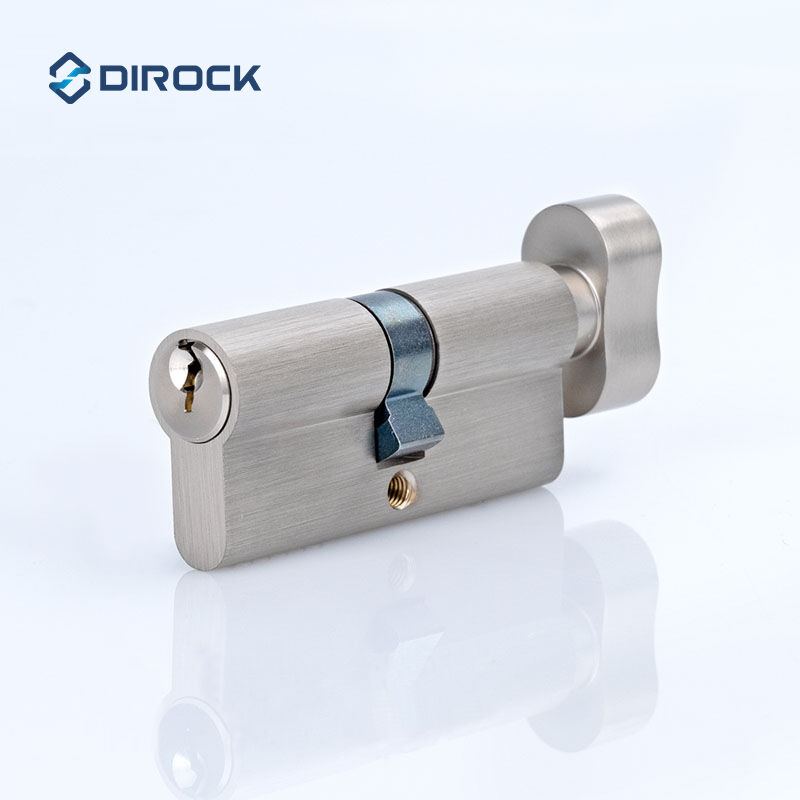
Anti-Pick Technology: Spool, Serrated, and Tapered Pins in High-Security Lock Cylinders
Today's lock cylinders incorporate sophisticated pin configurations designed specifically against picking methods, which account for around 62 percent of all stealthy break-ins according to industry data. The spool pins work by creating misleading points where the lock appears openable but actually isn't, confusing would-be pickers. Meanwhile, those rough edged serrated pins just don't play nice with common picking tools at all. And let's not forget about tapered pins either they make things really tough on intruders since they need about 43% extra force to get past them compared to regular locks as noted in the Lock Security Institute report from last year. All these different pin types working together mean that most traditional lock picking approaches either take forever or simply won't work anymore, giving property owners much better protection against unwanted entry.
Bump-Resistant Mechanisms and Their Role in Preventing Unauthorized Access
When someone tries to pick a lock with a bump key, they're basically using the force of motion to line up those tiny metal pins inside the cylinder. But newer locks fight back against this trick thanks to some clever design changes. Manufacturers now include things like mushroom shaped driver pins and magnetic parts that actually soak up the shock from bumps instead of letting it pass through. These additions keep everything stable even when someone jiggles the key around. According to tests done by third parties, these improvements can hold off an intruder for anywhere between 78 to 92 seconds. That might not seem like much, but most thieves looking for easy targets will just move on if they can't get in within a minute or so.
Anti-Drill Plates and Reinforced Materials in Premium Lock Cylinder Construction
About 29 percent of all break ins involve destructive methods according to the Residential Security Survey from 2023. That's why high security cylinders come with multiple layers of defense built right into them. The core protection comes from hardened steel plates that have an RC60 rating, covering those vulnerable spots where most attacks happen. Alongside this there are rotating carbide pins that manage to push away around 90% of what drill bits try to do when someone attempts forced entry. What makes these systems truly reliable though is the brass alloy body they sit inside. This part can handle well over half a million operations before showing signs of wear, so even after years of constant use in real world conditions, the cylinder keeps performing as intended despite whatever stresses get thrown at it day after day.
Durability, Longevity, and Performance Standards of Lock Cylinders
High-Grade Materials and Precision Engineering Behind Long-Lasting Lock Cylinders
How long a lock cylinder lasts really comes down to what materials were used and how well it was made. Brass locks tend to resist corrosion pretty well and operate smoothly, which is why they work great in homes and offices. When conditions get tough though, stainless steel becomes the go to choice because it just doesn't rust like other metals do. For places where budget matters more than extreme durability, zinc alloy makes sense as a middle ground option. The computer controlled milling process during manufacturing helps line everything up just right inside the lock mechanism, so parts don't wear out as fast over time. Manufacturers also add reinforced anti drill plates along with hardened steel inserts these days to make sure no one can simply break into the lock with basic tools.
Lifespan Comparison: Standard vs. High-Security Lock Cylinders (BHMA A156.30 Data)
The Builders Hardware Manufacturers Association (BHMA) A156.30 standard defines minimum performance benchmarks:
| Cylinder Type | Minimum Cycles | Typical Use Case | Key Strengths |
|---|---|---|---|
| Standard (Grade 3) | 200,000 | Residential interior doors | Cost-effective, basic security |
| High-Security (Grade 1) | 1,000,000 | Commercial/industrial | Drill/impact resistance, reinforced materials |
BHMA-certified testing (2024) confirms Grade 1 cylinders last six times longer than Grade 3 models, proving essential for high-traffic settings where reliability and durability are critical.
Key Control and Restricted Keyway Systems in High-Security Applications
Restricted Keyways and Patented Key Profiles to Prevent Unauthorized Key Duplication
High-security cylinders employ restricted keyways with patented geometries that only accept specially coded keys. Features like angled grooves, false channels, and laser-etched identifiers block standard blanks from being used. According to a 2022 locksmith industry survey, facilities using these systems experienced 89% fewer unauthorized duplication attempts compared to conventional pin-tumbler locks.
Commercial Case Study: Reducing Theft Through Controlled Key Distribution
A 2023 study at an automotive dealership revealed a 63% reduction in facility theft after implementing a controlled key system featuring:
- Biometric access to key cabinets
- Unique serialization of each key copy
- Real-time audit trails tracking employee checkouts
This eliminated unaccounted master keys while allowing efficient daily access to over 150 vehicle keys. The results demonstrate how combining restricted keyway hardware with structured distribution enhances overall physical security.
Rekeying Flexibility and Maintenance Efficiency for Residential and Commercial Use
Rekeying Lock Cylinders Without Replacing the Entire Lock: Cost and Time Benefits
Property owners can change their lock combinations through rekeying without having to replace any hardware at all, which saves them around 60 to 80 percent when compared with doing a complete installation according to Security Pros Alliance data from last year. When done by someone who knows what they're doing, each lock cylinder only takes about fifteen minutes to rekey. That's way quicker than swapping out entire locks which usually takes closer to forty five minutes per unit. The time savings really matters for folks like landlords dealing with constant tenant changes or business managers needing to update who has access rights throughout the company.
DIY Rekeying Trends: Balancing Convenience With Security Risks
Around 37 percent of homeowners give DIY rekeying a shot using those retail kits they find at hardware stores, but often end up creating security problems instead. The truth is most of these consumer level kits just don't have things like anti bump pins or the reinforced chambers that come standard in professional installations, which makes locks much easier targets for would be intruders. Security professionals will tell anyone who'll listen that it's really worth spending the extra money on a manufacturer trained locksmith, particularly if working with those fancy high security cylinders or restricted keyways. Getting things done right the first time means better protection long term rather than having to fix mistakes later.
Best Practices: When to Rekey Versus Replace a Lock Cylinder
| Factor | Rekey Scenario | Replacement Requirement |
|---|---|---|
| Physical Condition | No corrosion/mechanical wear | Visible pitting, stuck pins, or rust |
| Security Standard | Existing cylinder meets BHMA Grade 1 | Pre-2010 cylinders without anti-drill |
| Access Changes | Lost keys or routine employee turnover | Master key system compromises |
Even with regular maintenance, building managers should consider replacing cylinders every 7–10 years. Modern standards such as DIN 18252 include anti-snap protections that surpass older models, ensuring compliance with current security expectations.
FAQ Section
What is the purpose of anti-pick technology in lock cylinders?
Anti-pick technology in lock cylinders is designed to prevent unauthorized entry by confusing or deterring traditional lock picking methods through sophisticated pin configurations like spool, serrated, and tapered pins.
How do bump-resistant mechanisms work?
Bump-resistant mechanisms employ features such as mushroom-shaped driver pins and magnetic parts to absorb shock and maintain pin alignment, preventing unauthorized access by thwarting bump key attacks.
What materials enhance the security of lock cylinders?
Hardened steel plates and rotating carbide pins, along with brass alloy bodies, provide enhanced security against drilling and physical damage, ensuring durability and protection against forced entry.
When should lock cylinders be rekeyed versus replaced?
Lock cylinders should be rekeyed when there is a need to change access without hardware replacement, while replacement is necessary when there is significant wear or when older security standards do not meet current expectations.
Table of Contents
- Anti-Pick Technology: Spool, Serrated, and Tapered Pins in High-Security Lock Cylinders
- Bump-Resistant Mechanisms and Their Role in Preventing Unauthorized Access
- Anti-Drill Plates and Reinforced Materials in Premium Lock Cylinder Construction
- Durability, Longevity, and Performance Standards of Lock Cylinders
- Key Control and Restricted Keyway Systems in High-Security Applications
- Rekeying Flexibility and Maintenance Efficiency for Residential and Commercial Use
- FAQ Section