
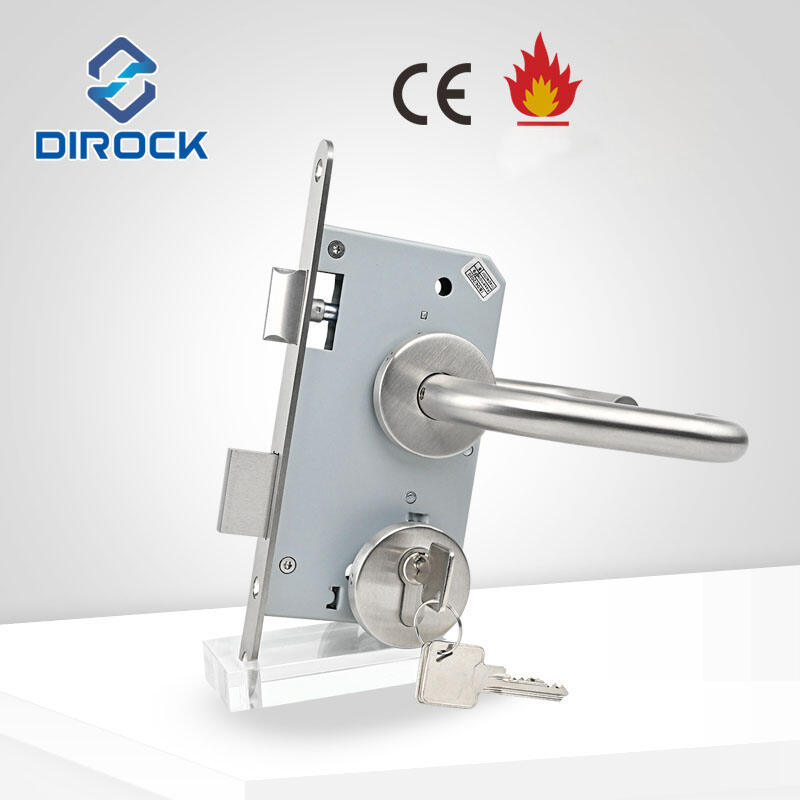
How Fire Door Locks Enhance Building Safety During Emergencies
Fire door locks play a critical role in passive fire protection systems. They help contain fires and keep escape routes safe when emergencies happen. When paired with fire rated doors, these special locks form compartments that stop flames and smoke from spreading so quickly. This gives people inside more time to get out safely while also making it easier for firefighters to manage what's going on at the scene. Many buildings rely on this system as part of their overall safety strategy.
Self-Closing and Positive Latching Mechanisms That Contain Fire and Smoke
Fire door locks that are certified come with special features like self closing hinges plus either magnetic or mechanical latches which kick in automatically whenever there's heat or smoke around. These mechanisms keep doors shut tight during fires so they can trap flames and dangerous gases right where they start for somewhere between 60 to 90 minutes, which actually meets those NFPA 80 standards most people talk about. The positive latching system stops the metal parts from bending out of shape when things get really hot, keeping the door sealed against air leaks that would let smoke spread through the building. Smoke inhalation remains the biggest killer in fires according to recent stats from NFPA back in 2023, making these safety features absolutely essential for anyone inside trying to stay alive until help arrives.
Maintaining Fire Door Integrity to Slow Fire Spread
Fire door assemblies need to stand up against temperatures over 1800 degrees Fahrenheit without losing their strength. When things get hot, those special intumescent seals swell up and fill in all the little spaces between the door and its frame, which helps stop flames from getting through too quickly. UL Solutions did some research back in 2022 showing that when fire doors are installed correctly, they can actually cut down on how fast fires spread by somewhere between 45% and 60%. That might not sound like much at first glance, but this kind of containment gives firefighters precious minutes to respond before the blaze gets to neighboring rooms or starts compromising important building structures.
Role of Fire Door Locks in Occupant Protection and Compartmentalization
Fire door locks create isolated areas that stop smoke from filling stairwells and hallways, which means people can actually get out safely during emergencies. When we look at high rise buildings specifically, proper compartmentalization using certified equipment cuts down on how fast fires spread across different sections by around 80%. A study from Fire Safety Journal back in 2021 found something pretty amazing too – when exits stay clear of smoke, folks manage to evacuate buildings anywhere between 30% to 50% faster. That makes all the difference in saving lives during those critical moments.
Compliance with NFPA 80, IBC, and Other Fire Safety Standards
Following industry standards like NFPA 80 and the International Building Code (IBC) helps make sure fire door locks actually perform as they should when it matters most. The codes cover all sorts of important stuff from how much space there can be between door edges to what kinds of hardware work together properly, plus how well materials hold up against intense heat. According to the latest NFPA 80 report for 2024, around one third of problems found during routine building inspections come down to bad installation of these critical doors. Things get even more complex when looking at other requirements too, such as those in NFPA 101 which deals with life safety issues, along with UL 10C tests that simulate real world conditions. Putting all these rules together forms what many call a multi layer protection approach that not only stops fires from spreading but also keeps people safe while getting out of buildings during emergencies.
NFPA 80 Requirements for Fire Door Lock Functionality and Installation
NFPA 80 specifies maximum allowable gaps: 3/8" at the sides and 3/4" at the bottom, critical for preventing smoke leakage. The standard also requires:
- Annual inspections to verify label legibility, hinge operation, and secure latch engagement
- Compatibility with door materials (wood, steel, composite) and frame load ratings
- Documentation of all modifications throughout the door’s service life
Noncompliance with these criteria ranks among the top five causes of fire door system failure during emergency simulations.
UL and Other Certification Standards for Fire-Rated Hardware
Underwriters Laboratories (UL) 10C and NFPA 252 subject fire door hardware to rigorous evaluations, including exposure to 1,800°F for up to three hours. Certified components must demonstrate:
- No flame penetration through joints during 30-minute endurance tests
- Operational reliability after 400,000 mechanical cycles (per UL 10C)
- Resistance to forced entry per ASTM F476 standards
Buildings equipped with third-party certified hardware experience 62% fewer code violations than those using non-certified alternatives.
Avoiding Common Code Violations During Inspections
The most frequent inspection failures involve:
- Improper gap tolerances (47% of cases)
- Unapproved modifications, such as non-fire-rated paint or aftermarket hardware
- Missing or incomplete inspection records (as required by NFPA 80 §4.8.2)
Proactive measures—including quarterly functional testing and staff training—reduce non-compliance risks by 81% (Fire & Safety Journal, 2023). Maintaining detailed service logs streamlines annual audits and supports regulatory accountability.
Certified Fire-Rated Hardware: Ensuring Reliability and Performance
Why Certified Fire Door Locks Are Critical in Commercial Buildings
When it comes to places packed with people such as hospitals, educational institutions, and multi-story buildings, properly certified fire door locks act as the last line of defense against fires spreading out of control. These facilities often have complicated floor plans and lots of occupants, so when something goes wrong with the hardware, it can block off whole escape routes during emergencies. What third party certifications actually do is test how well these locks hold up over time, resist heat damage, and keep working even when things get really hot. According to recent findings from the 2023 Fire Safety Standards Report, nearly nine out of ten problems with fire rated doors come down to using parts that weren't certified or didn't fit right together. That's why getting those official stamps of approval matters so much for safety.
Testing Protocols (UL 10C, NFPA 252) for Fire Endurance and Impact Resistance
Fire door locks need to perform reliably when it really counts, so they go through two main evaluations. The UL 10C standard puts hardware inside vertical furnaces heated up to around 1,800 degrees Fahrenheit and keeps them there for the full 90 minute duration. Meanwhile NFPA 252 looks specifically at how well these doors resist flames actually penetrating through them. There's also another important test involving a heavy duty simulation where doors weighing about 100 pounds swing back and forth repeatedly to see if the lock still works properly after all that physical punishment. Many newer models now feature special intumescent seals which start expanding once temperatures reach approximately 212 degrees Fahrenheit. These expanding materials create effective smoke barriers right where they're needed most, and cleverly designed so they don't get in the way of normal locking operations either.
Choosing Listed Components to Maintain System Integrity
How well a system works really comes down to whether all the components play nicely together. When someone throws in parts that don't belong, like pairing a regular door closer with a lock that has UL listing, the whole setup can lose effectiveness somewhere around 40%. Most professionals will tell anyone who asks that sticking with hardware that shares the same certification background makes life easier for everyone involved. Think UL 10C levers working alongside doors marked UL 228. Don't skip checking every year if replacement parts actually fit what was originally installed. Otherwise fire safety ratings might get compromised and warranties could vanish overnight.
Integration with Emergency Egress and Fire Alarm Systems
Modern fire door locks balance two critical functions: containing fire and enabling rapid escape. Integrated with broader life safety systems, they support compliance with NFPA 101 Life Safety Code by ensuring automatic response coordination without sacrificing accessibility.
Balancing fire containment with safe emergency egress (panic bars, push-to-exit)
Panic hardware like push bars and touchpad exit devices lets people get out quickly with just one movement, all while keeping those fire doors intact. If installed right according to NFPA 80 standards, these safety features will automatically lock back in place once someone exits, which helps prevent dangerous smoke from getting through the gaps. Research from the Life Safety Foundation back in 2023 found something pretty significant: when these emergency exit systems are set up correctly, buildings can evacuate occupants about 37% faster than with older lock systems. That makes a real difference in emergencies where every second counts.
Automated unlocking and monitoring via integration with fire alarm systems
When connected to fire alarm systems, fire door locks disengage electronically upon detection of smoke or heat, synchronizing with voice alerts and emergency lighting. Building management systems can monitor real-time status data, including:
- Door position (open/closed/latched)
- Lock engagement
- Integration health with alarm controls
This automation enhances responsiveness, meets UL 10C standards, and eliminates delays caused by human error during crises.
Proper Installation, Inspection, and Maintenance Practices
Best Practices for Installing Fire Door Locks to Meet Code
When installing these systems, alignment with NFPA 80 standards along with whatever local building codes apply is absolutely essential. Frames should be pre-inspected and properly sized, leaving no more than about 3 millimeters of gap space all around the edges. The self closing mechanisms need to work right out of the box too. If they don't close properly or fail to latch completely, this becomes a real problem for many commercial buildings. According to recent data from NFPA, roughly one third of all compliance issues stem from misaligned components. To prevent headaches down the road, always go with UL listed parts and bring in someone who's actually certified for installation work. Otherwise there's a good chance we'll end up dealing with things like wrong fasteners getting used or those important intumescent seals being left out entirely.
Annual Inspections and Functional Testing Per NFPA 80
NFPA 80 requires annual inspections by qualified fire door assembly inspectors. Key evaluation points include:
- Gaps exceeding 3mm between door and frame
- Damaged or missing smoke and intumescent seals
- Proper function of automatic closing devices
Functional tests should simulate emergency scenarios, confirming doors close completely within 30 seconds of activation. Facilities managing 100+ fire doors cut repair costs by 41% by adopting digital tracking tools to maintain inspection records (Life Safety Digest 2023).
Common Maintenance Issues and How to Prevent Compliance Failures
The biggest headaches for maintenance folks tend to be worn out latch bolts, which account for around 43% of all problems, followed closely by tracks clogged with dirt and grime at about 27%. For track maintenance, it makes sense to clean them every three months and apply lubricant once a month, but make sure it's the fire rated kind specifically. Warped doors need immediate replacement too because even a tiny warp of just 2mm can cut down fire resistance time by as much as 15 minutes. When companies set up regular maintenance routines instead of waiting for issues to pop up, they see a dramatic drop in serious code violations. Statistics show these proactive approaches reduce critical inspection failures by nearly 60% when fire marshals show up unexpectedly.
FAQ Section
What is the role of fire door locks in building safety?
Fire door locks are essential components of passive fire protection systems, helping contain fires and preventing smoke from spreading so quickly. They form compartments with fire-rated doors, giving people inside more time to evacuate safely while aiding firefighters in managing emergencies.
How do self-closing and positive latching mechanisms work?
Certified fire door locks feature self-closing hinges and either magnetic or mechanical latches that activate automatically during a fire. These mechanisms ensure the doors stay shut tightly to contain flames and smoke for 60 to 90 minutes, meeting NFPA 80 standards.
Why is compliance with standards like NFPA 80 important?
Compliance ensures that fire door locks function as intended during emergencies. NFPA 80 and other standards cover gap tolerances, hardware compatibility, and material durability against heat, forming a multi-layer protection approach to stop fires from spreading and safeguard occupant safety.
What are the common causes of inspection failures?
Improper gap tolerances, unapproved modifications, and missing inspection records are frequent inspection failures. Proactive measures like quarterly functional testing and staff training can reduce non-compliance risks by 81%.
Table of Contents
- How Fire Door Locks Enhance Building Safety During Emergencies
- Compliance with NFPA 80, IBC, and Other Fire Safety Standards
- NFPA 80 Requirements for Fire Door Lock Functionality and Installation
- UL and Other Certification Standards for Fire-Rated Hardware
- Avoiding Common Code Violations During Inspections
- Certified Fire-Rated Hardware: Ensuring Reliability and Performance
- Integration with Emergency Egress and Fire Alarm Systems
- Proper Installation, Inspection, and Maintenance Practices
- FAQ Section