
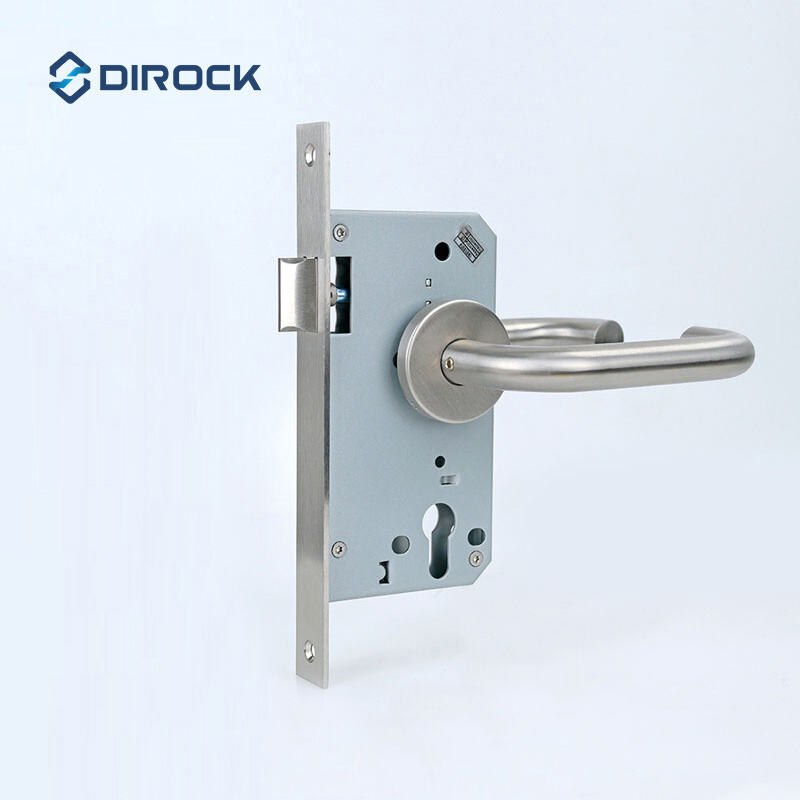
The Role of Fire Door Locks in Hospital Life Safety and Code Compliance
How Fire Door Locks Function in Healthcare Environments to Protect Patients and Staff
Hospital fire door locks play a vital role in life safety systems. They kick in automatically during emergencies to keep flames and smoke contained within specific areas. The doors stay open normally so patients can move around freely, staff can do their jobs, and medical equipment gets where it needs to go. But when there's a fire, these doors shut tight and hold back the heat and smoke for about 90 minutes according to NFPA 80 standards from 2024. That extra time makes all the difference when getting patients out safely or moving them to safer parts of the building. Newer systems work right alongside fire alarms, locking down smoke compartments instantly. What's great is they don't block people who need help getting out either. Wheelchair users and others with mobility issues still have clear paths during evacuations thanks to how these modern systems are designed.
Supporting Passive Fire Protection Through Properly Installed Fire Door Lock Systems
Getting the installation right matters a lot when it comes to fire door locks maintaining their role in passive fire protection systems. These locks need to work properly alongside fire rated walls, floors, and other protective barriers throughout buildings. Small problems really matter here. Things like strike plates that aren't aligned correctly or sealing gaskets that have started to break down can cut down on how well a fire door works by about 37 percent. That figure comes from the latest UL Fire Safety Survey published last year. For hospitals and other medical centers wanting to keep their fire protection effective, following good installation guidelines makes all the difference in practice.
- Conduct quarterly verification of strike plate alignment
- Replace intumescent seals annually
- Continuously monitor electromagnetic lock holding force to confirm compliance with design specifications
Ensuring NFPA 101 Compliance With Fire Door Locking Mechanisms in Hospitals
NFPA 101, the Life Safety Code, requires clinical areas to have redundant unlocking capabilities, ensuring manual override can be executed within 15 seconds of alarm activation. Recent updates provide clearer guidance for behavioral health units, permitting delayed egress locks only when they include specific safeguards:
| Feature | Requirement |
|---|---|
| Alarm Delay | ≤ 15 seconds |
| Staff Override | ≤ 3-second response capability |
| Force Threshold | ≤ 50 lbs. opening pressure |
These provisions balance patient safety, security, and emergency egress, allowing temporary delay while ensuring rapid release when needed.
Integrating Fire Door Locks Into Broader Life Safety and Security Ecosystems
Modern hospitals are connecting their fire door lock systems to access control, nurse call buttons, and emergency lighting setups so they can respond better when things go wrong. Take a psychiatric unit for instance—if there's a fire alarm going off, the system might automatically unlock patient rooms at the same time it locks down where medications are stored. Most big medical centers have these centralized monitoring screens these days, according to Healthcare Safety Journal from last year. These screens show the status of about 98 percent of all fire doors throughout the facility. That means staff can spot problems much faster when emergency situations arise, before those safety barriers get completely compromised.
NFPA 80 and NFPA 105 Requirements for Fire and Smoke Door Locking Systems
Key code requirements for fire door lock operation under NFPA 80 and NFPA 105
In hospital settings, fire door locks need to follow two key standards: NFPA 80 covering fire doors and openings, and NFPA 105 dealing specifically with smoke door assemblies. These standards set the rules for keeping people safe during emergencies. The NFPA 105 standard actually puts a cap on how much air can leak through smoke doors at about 3 cubic feet per minute per square foot, something tested according to UL 1784 protocols. Meanwhile, NFPA 80 requires doors to close automatically and latch properly when needed. For all fire rated hardware components, they have to pass either UL 10B or UL 10C tests lasting anywhere between one hour to three hours depending on requirements. And don't forget about building codes too. Installations should match what's outlined in IBC Section 715, which brings together these standards for things like corridor doors and smoke barrier systems throughout healthcare facilities.
| Standard | Scope | Key Requirement | Compliance Metric |
|---|---|---|---|
| NFPA 80 | Fire Door Assemblies | Self-closing mechanisms with automatic latching | UL 10C fire endurance testing (1-3 hours) |
| NFPA 105 | Smoke Door Systems | Smoke containment through perimeter sealing | ≤3.0 CFM/sq.ft. leakage under UL 1784 |
Fail-safe electrical locks and integration with fire alarm systems
According to NFPA 80 standards, electrical fire door locks should automatically unlock when the fire alarm goes off. The fail safe systems work through monitored circuits that run on voltages no higher than 24 volts DC. These systems also need to be compatible with fire alarm controls that meet NFPA 72 requirements. If installed alongside uninterruptible power supplies or UPS units, the locks will keep working even if there's a partial power outage. This setup ensures doors stay functional for around 90 minutes minimum, which is really important for keeping people safe as they exit buildings and for containing fires while emergency responders arrive on scene.
Common deficiencies in fire door lock installations and how to avoid them
A 2023 survey identified three prevalent issues in healthcare settings:
- Excessive door-to-frame clearances exceeding the 1/8" (3.2mm) limit
- Improper electromagnetic lock installations lacking secondary mechanical releases
- Missing annual inspection documentation required under NFPA 80 Section 5.2
To prevent these failures, hospitals should adopt proactive measures such as quarterly inspections by NICET-certified technicians, digital audit trails for maintenance records, and third-party validation of smoke door pressurization tests.
Balancing Emergency Egress, Security, and Patient Safety in Clinical Areas
Emergency Egress Requirements During Hospital Fire Events
Fire door locks in hospitals need to let people get out quickly without letting smoke or flames spread through the building. The latest version of NFPA 101 from 2024 says fire rated doors should unlock automatically within just 15 seconds once the fire alarm goes off. Hospitals that follow these rules can clear everyone out in less than three minutes, whereas older buildings take around twice as long according to some hospital safety reports we've seen recently. But there's another side to this too. These doors still need to keep certain areas secure when everything is running normally. Pharmacies storing medications and pediatric wards where children are treated require special security measures even though the locks have to work differently during emergencies.
Managing Clinical Security Needs Without Compromising Fire Door Lock Functionality
For places like psychiatric wards where patient safety matters most, special fire door locks handle the tricky balance between keeping people safe inside and preventing dangerous escapes. These delayed exit systems with their 15 second delay period actually meet both building codes (IBC) and fire standards (NFPA 80) when combined with those magnetic locks that automatically release during emergencies. According to a recent check on UL 294 standards from last year, medical facilities that installed smart access controls saw almost half fewer unauthorized attempts to get through restricted doors. And best part? They still passed fire inspections on nearly all doors checked during audits.
Remote Unlocking Systems for Smoke Compartments During Evacuations
Today's fire door locking systems work with building automation technology so they can take control of local access settings when there's an emergency situation. When smoke is detected, facility managers get alerts on their central control panels and can unlock all doors in a particular smoke compartment at once. This makes it much easier to manage complex evacuation scenarios across multiple areas of a building. According to field tests referenced in FEMA Technical Report 2287 from last year, these automated systems cut down the time it takes for emergency responders to enter buildings by about 38% compared with old fashioned manual unlocking methods. The faster response times obviously make a big difference in how prepared facilities actually are during real world emergencies.
Maintenance, Inspection, and Continuous Monitoring of Fire Door Locks
Best Practices for Fire Door Lock Hardware Maintenance
Regular upkeep is absolutely essential if fire door locks are going to work properly during emergencies. Make sure to apply lubricant to those hinges and latches every three months or so, but only use products that the manufacturer actually recommends for their hardware. Monthly checks should include looking closely at those intumescent seals and smoke gaskets too. Studies show something pretty alarming really - even just a tiny 1mm gap between components can cut down fire resistance capabilities by around forty percent according to NFPA data from last year. And don't forget about those strike plates either. If they start showing corrosion signs, get them replaced without delay. Faulty latch mechanisms contribute to roughly one out of five fire door failures overall, per recent findings published in Life Safety Journal back in 2024.
Conducting Annual Fire Door Inspections in Compliance with Healthcare Standards
Healthcare facilities must conduct annual fire door inspections performed by certified professionals, as required by NFPA 80. Evaluations should verify:
- Full closure and automatic latching without manual push
- Clearance between door and frame no greater than 3mm
- Operational integrity of alarm-release mechanisms
Hospitals with documented inspection programs reduced fire-related compliance penalties by $740,000 annually compared to those without formal processes (Ponemon Institute, 2023).
Using Centralized Monitoring Dashboards for Real-Time Fire Door Lock Status Alerts
IoT-enabled sensors now allow continuous monitoring of fire door lock conditions, tracking:
- Door position (open/closed)
- Lock engagement status
- Seal integrity
Facilities using centralized dashboards report a 30% reduction in manual inspection labor and a 58% improvement in incident response during drills (Fire Safety Tech Report 2024). Integration with building automation systems also enables automatic HVAC shutdown upon fire door activation, helping suppress smoke migration until evacuation is complete.
FAQ
What are fire door locks in hospitals designed to do?
Fire door locks in hospitals are designed to automatically seal off compartments during emergencies to contain smoke and fire, while allowing safe egress for patients and staff.
How do fire door lock systems integrate with hospital safety ecosystems?
Modern systems integrate with hospital access control, nurse call buttons, and emergency lighting for a coordinated response during emergencies.
What are the key standards governing hospital fire door locks?
NFPA 80 and NFPA 105 standards govern fire door lock systems, ensuring closure, sealing, and latching in emergencies.
How can hospitals prevent common fire door lock deficiencies?
Hospitals should regularly inspect hardware, maintain audit trails of maintenance, and verify compliance with third-party validation.
Table of Contents
-
The Role of Fire Door Locks in Hospital Life Safety and Code Compliance
- How Fire Door Locks Function in Healthcare Environments to Protect Patients and Staff
- Supporting Passive Fire Protection Through Properly Installed Fire Door Lock Systems
- Ensuring NFPA 101 Compliance With Fire Door Locking Mechanisms in Hospitals
- Integrating Fire Door Locks Into Broader Life Safety and Security Ecosystems
- NFPA 80 and NFPA 105 Requirements for Fire and Smoke Door Locking Systems
- Balancing Emergency Egress, Security, and Patient Safety in Clinical Areas
- Maintenance, Inspection, and Continuous Monitoring of Fire Door Locks
- FAQ