
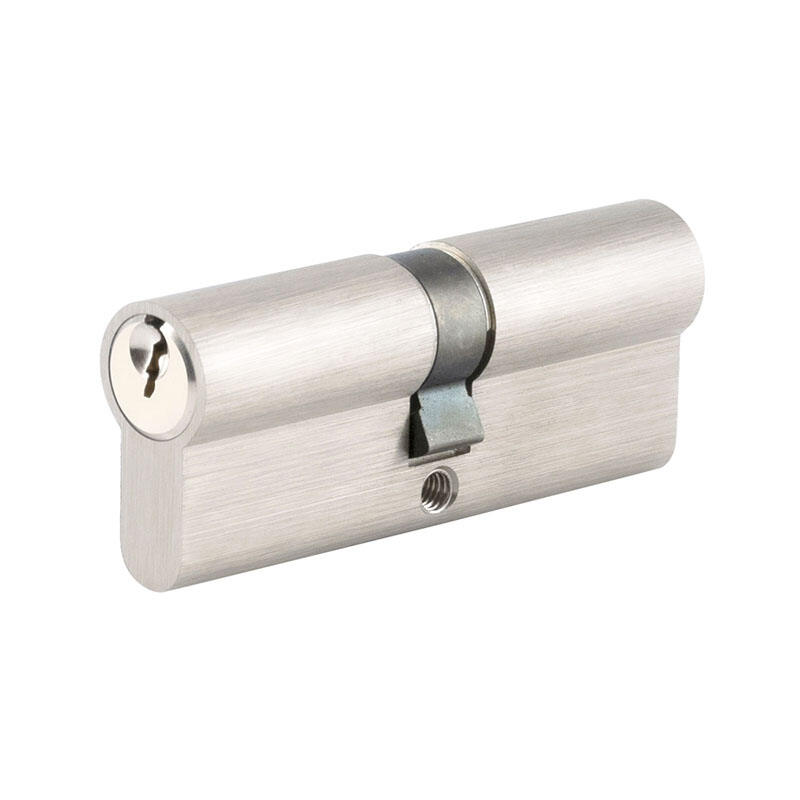
How Profile Cylinders Deliver Multi-Layered Physical Security
Anti-Snap Design: Structural Integrity Under Torque Attack
Profile cylinders stand up against lock snapping, which is when burglars apply so much torque that it breaks the cylinder apart. These locks have special design features inside that make them stronger against this kind of attack. Manufacturers build in specific areas that will give way first if someone tries to twist the lock hard enough, but these sacrificial parts don't affect how the lock works normally. Tests show certified anti-snap models can handle around 1,200 newton meters of twisting force before failing, making them pretty tough against forced entry attempts by intruders trying to break in through doors.
Anti-Drill and Anti-Pick Defenses: Hardened Components and Pin Complexity
Steel inserts that are hardened along with rotating components help keep carbide drill bits from getting through, and then there are those serrated security pins plus magnetic defenses that really mess with picking tools. When it comes to high security cylinder profiles, they actually have several different pin stacks inside, each one with unique sizes and shapes like mushrooms or T-spoons. This makes things way harder for anyone trying to get in without permission. Security experts report that these advanced mechanisms can triple the amount of time needed to break into something compared to regular locks. That kind of delay turns most stealthy break-ins into impossible tasks and keeps casual thieves looking elsewhere for easier targets.
Certification Standards That Validate Profile Cylinder Performance
BS EN 1303 Grading Explained: From Class 1 to Class 6 for Profile Cylinder Durability
The BS EN 1303 standard divides cylinder durability into six different performance levels. The first three classes work well for regular interior doors and can hold up against drilling or picking attempts lasting between one to three minutes. For higher security needs, classes four through six become relevant these require cylinders to withstand extended attacks ranging from five minutes all the way up to over twenty minutes. At the top end, class six cylinders must resist drilling for at least twenty minutes and also stand up to manipulation attempts for ten minutes or more. These tests happen over 100,000 operation cycles to make sure they last. Architects and building professionals use this classification system when choosing cylinders based on their specific security requirements. A jewelry store might go for class six protection while an ordinary office space probably only needs something as basic as class three.
TS007 3-Star and Sold Secure Ratings: Why They Matter for Insurer-Approved Security
The TS007 3-Star certification looks at how well a cylinder works with all the other parts on a door, not just how good it is on its own. This ensures the whole system can stand up to things like snapping attacks, core extraction attempts, and those pesky lever-based break-ins that burglars love to try. Then there's the Sold Secure Diamond rating, which sits right at the top of the commercial scale. To get this mark, manufacturers must prove their products can resist over 15 different ways someone might try to force entry. Insurance companies like Lloyds of London often insist on both these certifications when approving policies because homes with dual certified cylinders see an impressive drop in successful break-ins – around 83 percent according to UL Security Insights from last year. And if that wasn't enough, Secured by Design (SBD) standards actually demand the presence of TS007 3-Star cylinders as part of their requirements for making sure doors remain secure even under pressure from determined intruders.
Profile Cylinders in Regulatory Compliance: Enabling PAS 24, Part Q, and Secured by Design
Profile cylinders play a vital role in fulfilling the UK's security regulations. PAS 24:2022 establishes tough standards for doors and windows, covering things like how well they resist manual attacks and simulated break-ins. This standard applies to social housing projects and most commercial buildings too. Then there's Building Regulation Part Q which requires basic physical security features for any new homes being built, demanding components that can stop people from just walking in off the street. Secured by Design, known as SBD, checks if these security measures actually work against real crimes through proper field tests. What makes it convenient? A single 3 star rated profile cylinder meets all those different requirements at once. It stands up to snapping attempts, drilling tools, and lock picking methods, so builders don't need separate parts for each regulation when installing complete security systems.
Selecting the Right Profile Cylinder: Functionality, Form Factor, and Installation Context
Euro Profile Variants – Full, Half, and Thumb Turn – Matched to Door Types and User Needs
There are basically three main types of Euro profile cylinders out there full, half, and thumb turn each designed for different security needs and how easy they need to be to use. The full ones have keyholes on both sides and work best for outside doors that need access from either side like when entering an apartment block or going through a shared building entrance. Half cylinders only have one keyhole on the outside and come with a fixed handle inside. These are great for private front doors where people might need to get out quickly in emergencies. Then we have thumb turn models which swap the inside keyhole for a simple lever mechanism. They're handy for homes wanting fast locking capabilities, though installers need to watch where they put them so nobody can reach around glass panels and tamper with the lock from inside.
Selection hinges on balancing threat mitigation with practical use:
- Full cylinders support shared access points with high footfall
- Half cylinders prioritise safe, unimpeded exit in homes and care settings
- Thumb turns enhance convenience for interior-facing doors or secondary exits
Always verify certifications–minimum BS EN 1303 Class 3 for residential use, Class 6 for high-risk locations–and ensure cylinder length matches door thickness to eliminate installation gaps. For UPVC or composite doors, confirm compatibility with the door’s locking mechanism, particularly its anti-snap rating, to preserve the full security chain.
FAQ
What is lock snapping and how do profile cylinders prevent it?
Lock snapping is a burglary technique where force is applied to break a cylinder apart. Profile cylinders feature anti-snap designs with sacrificial parts that maintain the lock's functionality while resisting forced entry attempts.
Why are anti-drill and anti-pick defenses important?
Anti-drill and anti-pick defenses are crucial as they increase the time required to break into secured areas, thus deterring potential intruders. Hardened components and complex pin designs disrupt drilling and picking attempts.
How do certification standards affect profile cylinder performance?
Certification standards such as BS EN 1303 and TS007 3-Star ensure cylinders can withstand various attacks and are compatible with complete locking systems, making them vital for insurer-approved security.
What role do profile cylinders play in regulatory compliance?
Profile cylinders meet standards like PAS 24 and Secured by Design, ensuring doors and windows resist manual attacks and comply with regulations, as well as contribute to building security requirements.
How can I choose the right profile cylinder for my needs?
Choose based on door type and user needs. Full cylinders offer external access from both sides, half cylinders focus on emergency exit efficiency, and thumb turns prioritize convenience on interior doors.
Table of Contents
- How Profile Cylinders Deliver Multi-Layered Physical Security
- Certification Standards That Validate Profile Cylinder Performance
- Profile Cylinders in Regulatory Compliance: Enabling PAS 24, Part Q, and Secured by Design
- Selecting the Right Profile Cylinder: Functionality, Form Factor, and Installation Context
-
FAQ
- What is lock snapping and how do profile cylinders prevent it?
- Why are anti-drill and anti-pick defenses important?
- How do certification standards affect profile cylinder performance?
- What role do profile cylinders play in regulatory compliance?
- How can I choose the right profile cylinder for my needs?