
What Are Panic Exit Devices and Why They Matter in Building Safety
Defining Panic Exit Devices: How They Work and Where They’re Used
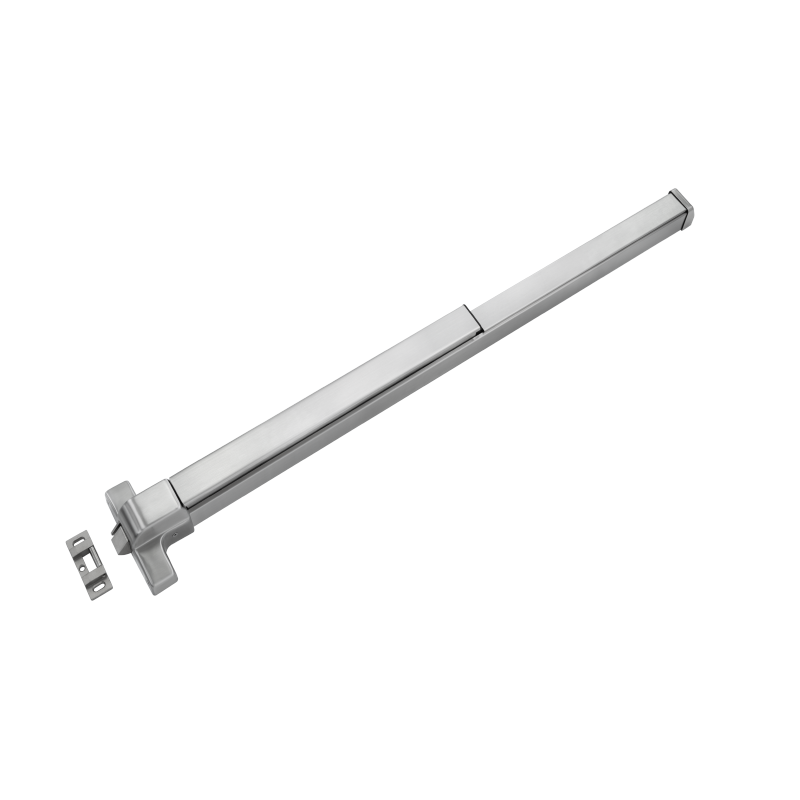
Panic exit devices go by many names too push bars, crash bars, whatever you want to call them. They're those horizontal bars mounted inside doors that swing outward. Just apply some pressure and boom, the latch releases so people can get out fast without fumbling for keys or trying to figure anything complicated. We need these things everywhere folks gather in big numbers schools, movie theaters, office complexes basically anywhere where getting stuck during an emergency would be really bad news. The latest safety reports show something alarming about 78 percent of all emergency exits don't pass inspection because either the panic hardware isn't there at all or it's been installed wrong somehow.
Key Differences Between Panic Exit Devices and Standard Locks
Unlike standard locks that require precise hand movements, panic exit devices operate through instinctive force—anyone can push to open. This distinction is critical under three conditions:
- Pressure Scenarios: In crowded evacuations, doorknobs become difficult or impossible to use.
- Accessibility: Children, elderly individuals, and people with disabilities often struggle with traditional locks.
- Code Compliance: Most safety codes mandate panic hardware for exits serving more than 50 occupants (NFPA 101, 2023 edition).
Compliance with Safety Codes: The Role of Panic Devices in NFPA, OSHA, and Building Regulations
Panic exit devices are actually required by several major standards organizations including the NFPA, OSHA, and IBC codes. The NFPA 101 Life Safety Code specifically mandates these devices on doors where there are more than 100 people inside at once. This makes sense when thinking about large gatherings or office buildings during work hours. If a facility doesn't follow these rules, they could face fines as high as fourteen thousand dollars for each violation under OSHA's updated penalties from 2024. Plus, there's always the risk of getting sued if something goes wrong. Studies from last year showed that when panic exits are installed correctly, people can get out of a building 40 percent faster than with standard exits that don't meet code requirements. That kind of difference matters a lot during emergencies.
Life-Saving Benefits of Panic Exit Devices During Emergency Evacuations
Enabling Fast and Intuitive Exits Under Stressful Conditions
In emergency situations, panic exit devices let people push doors open easily, which makes sense because that's what most folks would try to do anyway. Studies show occupants can get through these exits about 2.5 times quicker compared to regular locks according to research from the Journal of Safety Research back in 2023. And time really matters during those critical moments. The way these devices work takes almost no thinking at all, so around 89 percent of people manage to escape even if they've never seen one before NFPA reports. That kind of straightforward operation becomes super important places such as elementary schools or community theaters where there might be kids, elderly folks, or anyone who isn't used to dealing with complicated hardware.
Reducing Injuries with User-Friendly, Force-Activated Design
Today's panic bars need just 15 to 30 pounds of force to work, way below what older models required which were often over 50 pounds. According to data from the National Safety Council in 2023, this change in design actually helped cut down on injuries during evacuations by around 34%. When people can push through doors without fighting against them, there are fewer accidents too. Doors don't slam shut as hard anymore, making it much safer for kids running out, elderly folks who might stumble, and anyone else who struggles with regular door mechanisms.
Preventing Crowd Congestion at Emergency Exits
By eliminating operational delays, panic devices maintain an exit flow of over 60 people per minute—40% faster than standard locks (NFPA benchmarks). This efficiency helps prevent dangerous crowding in high-occupancy venues. A 2023 stadium case study found zero congestion-related injuries after upgrading to panic hardware, demonstrating their effectiveness in crowd management.
Supporting Safe Evacuation for Vulnerable Populations
Panic exit devices comply with ADA standards, ensuring equitable access for the estimated 27% of adults with mobility limitations (CDC 2023). Their push-to-exit function requires no dexterity or fine motor control, making them accessible to wheelchair users, visually impaired individuals, and those temporarily injured—without reliance on assistance.
Integrating Panic Exit Devices into Comprehensive Emergency Preparedness Plans
Enhancing Overall Emergency Response with Reliable Egress Systems
Panic exit devices form the backbone of good egress planning when paired properly with other emergency procedures. Buildings where panic bars work alongside automatic lights and voice alarms tend to have around 30% fewer mistakes during evacuations according to recent studies from NFPA. What makes these devices so valuable is their mechanical simplicity they just work when needed most, even if there's no electricity or radio signals going down. This reliability helps meet those OSHA standards for emergency exits while keeping escape paths open for everyone who needs them.
Synchronization with Fire Alarms and Building-Wide Safety Systems
Advanced panic devices now support IoT-enabled integration with fire detection networks, enabling coordinated responses such as:
- Automatic unlocking within 4 seconds of alarm activation (UL 2023 certified systems)
- Real-time occupancy tracking via embedded pressure sensors
- Post-evacuation lockdown initiation through centralized security platforms
A 2023 FEMA analysis showed buildings with integrated systems reduced evacuation time variance by 54% during multi-threat scenarios compared to standalone setups.
Real-World Impact: Case Study of a Successful Evacuation Using Panic Devices
During a 2023 earthquake-triggered fire in a mid-rise office building located in a seismic zone, occupants evacuated in just 2 minutes and 17 seconds—40% faster than nearby buildings. Key factors included:
- Pre-staged exit paths illuminated by panic bar-activated guide lights
- Simultaneous disengagement of electromagnetic locks across all 17 emergency exits
- Automatic alerts sent to first responders with real-time exit usage data
Data Insight: Buildings with Panic Exit Devices See 40% Faster Evacuations
Looking at data from around 1,200 emergency situations reveals something interesting. Buildings equipped with panic systems that meet safety codes managed to evacuate everyone completely within about 6 minutes give or take a minute or so. That's pretty impressive when compared to regular buildings with standard locks which took roughly 10 minutes on average, sometimes even longer (as reported by the National Fire Protection Association back in 2024). Things got even better when places started implementing touchless systems. These new setups boosted how fast people could get out by nearly a quarter during those crowded scenarios we saw in places like movie theaters and university auditoriums last year according to their stress testing results from 2023.
Best Practices for Installation, Maintenance, and Occupant Training
Proper Installation and Compliance with NFPA and OSHA Standards
When installing panic exit devices, following both NFPA and OSHA standards is absolutely essential for making sure these safety systems work when they need to. The NFPA 101 codebook actually specifies things like keeping horizontal bars within 15 pounds of force and ensuring adequate space around them, which can cut down on exit delays by about half according to industry data. Recent research from the NFPA looked at over 1,200 commercial properties last year and discovered that buildings with properly installed exits saw roughly 40 fewer injuries during emergency evacuations compared to those without compliance. From a technical standpoint, getting the vertical rods aligned correctly matters a lot, along with where the strike plates are placed on doors. And don't forget about those tiny details either - most codes require door gaps to stay below 3/8 inch to prevent jamming issues during emergencies.
Routine Testing, Inspection, and Preventive Maintenance Protocols
Monthly inspections help detect issues like misaligned latches or worn springs before they compromise safety. Facilities conducting quarterly maintenance reduced device failures during drills by 65%, according to a 2022 Building Safety Institute study. Recommended inspection schedule:
| Task | Frequency | Compliance Standard |
|---|---|---|
| Latch engagement test | Monthly | NFPA 80 (2023) |
| Pressure sensitivity | Quarterly | ANSI/BHMA A156.3 (2024) |
| Exit signage lighting | Biannual | OSHA 1910.37 (2024) |
Replace components showing more than 10% wear to ensure operation within two seconds under stress.
Training Staff and Occupants on Effective Use and Drill Procedures
Annual training improves evacuation speeds by 32% in high-occupancy buildings (International Safety Council, 2023). Effective programs include:
- Hands-on practice with panic bars under simulated low-visibility conditions
- Stress inoculation drills to minimize hesitation during real emergencies
- Clear communication protocols for guiding crowds to functional exits
Facilities conducting bi-annual evacuation drills report 27% fewer instances of incorrect device use, such as pushing incorrectly on vertical models.
FAQ
What are panic exit devices?
Panic exit devices, often referred to as push bars or crash bars, are horizontal bars mounted inside doors that allow people to exit quickly during an emergency without needing keys or special knowledge.
Why are panic exit devices important?
They are crucial in emergencies where rapid evacuation is necessary, such as in schools, movie theaters, or office complexes, helping to prevent panic-related injuries.
Where are panic exit devices typically required?
Panic exit devices are required in buildings where large numbers of people gather, as mandated by safety codes like NFPA 101 and OSHA regulations.
How do panic exit devices support vulnerable populations?
They comply with ADA standards, offering easy exit access for individuals with mobility challenges, ensuring inclusive safety during emergencies.
Table of Contents
- What Are Panic Exit Devices and Why They Matter in Building Safety
- Life-Saving Benefits of Panic Exit Devices During Emergency Evacuations
- Enabling Fast and Intuitive Exits Under Stressful Conditions
- Reducing Injuries with User-Friendly, Force-Activated Design
- Preventing Crowd Congestion at Emergency Exits
- Supporting Safe Evacuation for Vulnerable Populations
- Integrating Panic Exit Devices into Comprehensive Emergency Preparedness Plans
- Best Practices for Installation, Maintenance, and Occupant Training
- FAQ