
Demystifying Hardware Compliance in Modern Architecture
When auditing commercial buildings or public facilities, hardware consultants frequently encounter doors that look robust on the outside yet fail vital safety inspections due to improper internal specifications. In our years of hands-on project consulting across international markets, verifying the precise grading of a CE mortise lock has proven to be the single most effective way to prevent costly retrofits and project delays. Building owners and contractors cannot rely on visual aesthetics alone; they must understand the standardized metrics that govern physical security, durability, and fire safety. Navigating these regulatory frameworks requires a clear grasp of European standards, ensuring that every installed component performs flawlessly under real-world pressure.
Decoding the EN 12209 Classification Code System
The definitive benchmark for evaluating mechanical mortise locks in Europe is the EN 12209 standard, which utilizes a rigorous 11-digit classification system to grade hardware performance. Each digit in this sequence corresponds to a specific performance characteristic, ranging from category of use and durability to door mass and fire resistance. For instance, the first digit designates whether a lock is designed for low or high frequency public usage, while subsequent digits measure cycle durability—often testing locks up to 200,000 or even 500,000 cycles. Technical specifiers must carefully analyze these digits rather than accepting generic compliance claims, as minor discrepancies in grade ratings can significantly impact the long-term integrity of heavy-duty fire doors.
The Authority Behind CE Marking and Notified Bodies
A CE mark on a mortise lock is far more than a simple regulatory sticker; it represents a legally binding declaration that the product complies with essential health, safety, and environmental protection legislation. True verification goes beyond the stamp on the metal box by examining the underlying documentation issued by accredited Notified Bodies, such as Intertek or Warrington. These independent laboratories subject lock bodies to extreme physical testing, including lateral load resistance, torque stress, and severe corrosion chambers. Sourcing hardware backed by legitimate test reports and a valid Declaration of Performance (DoP) gives architects and project managers absolute legal and operational peace of mind.
A Step-by-Step Practical Verification Checklist
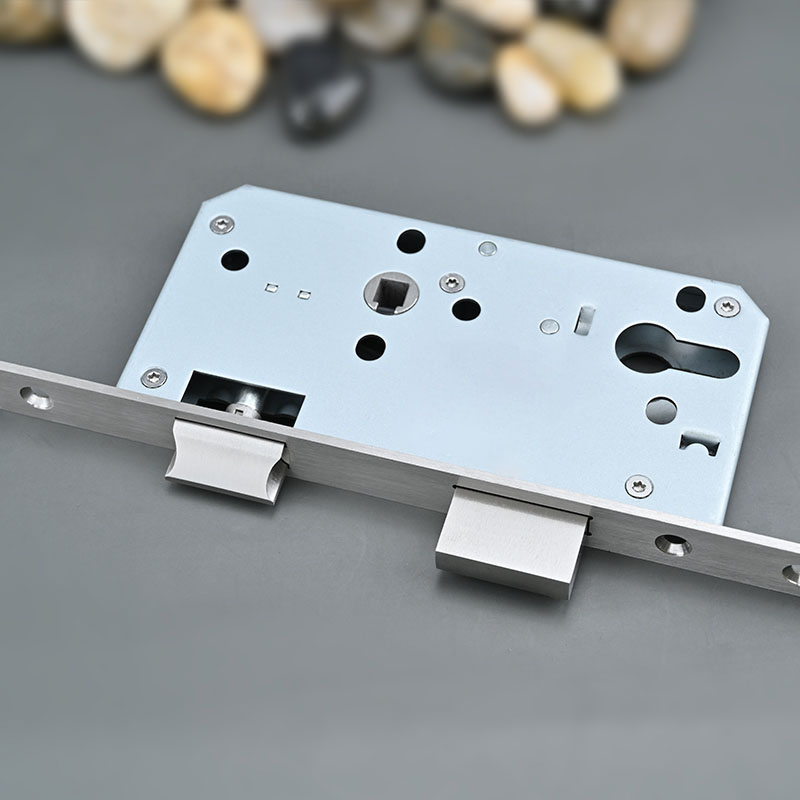
Verifying the true grade of a CE mortise lock involves a methodical, transparent inspection process that field engineers can easily execute on-site. First, inspect the forend plate of the lock body for laser-etched compliance markings, including the EN 12209 code string and the Notified Body identification number. Second, cross-reference this code string directly against the manufacturer’s technical data sheets and the official DoP document. Third, evaluate physical parameters such as latchbolt engagement, deadbolt penetration, and smooth key rotation under simulated door weight. Adhering to this structured verification checklist eliminates counterfeit risks and ensures absolute transparency throughout the supply chain.
Commercial Value and Long-Term Risk Mitigation
Investing time in verifying mortise lock gradings delivers profound commercial value by mitigating liabilities and reducing lifecycle maintenance costs. In commercial and public infrastructure projects, a premature lock failure can result in compromised fire compartmentalization, security breaches, and severe regulatory penalties. High-grade CE mortise locks minimize these operational risks, protecting building occupants while lowering insurance premiums through proven durability and reliability. By prioritizing certified hardware during the specification phase, developers protect their capital investments and enhance the overall asset valuation of modern architectural properties.
Excellence in Fire Door Hardware Solutions
Achieving uncompromising building safety begins with partnering with a manufacturer that treats compliance as a core engineering discipline. Since 2010, DIROCK has specialized in the design and production of European-standard fire-rated door hardware, operating under ISO 9001, ISO 14001, and ISO 45001 management systems. Utilizing advanced automated production lines and stringent internal quality controls, DIROCK delivers a comprehensive portfolio of CE-certified mortise locks, profile cylinders, lever handles, and panic exit devices. Backed by rigorous testing from accredited institutions, DIROCK combines robust manufacturing capabilities with reliable global supply chain services, ensuring that every project receives dependable hardware built for enduring safety.