
The Hidden Architectural Anchors of High-Traffic Public Buildings
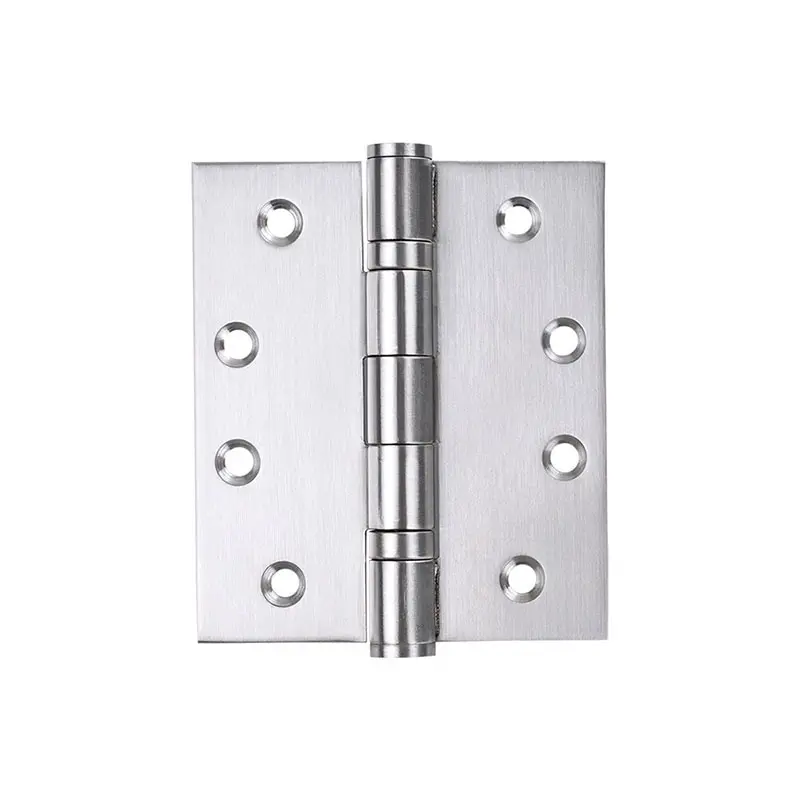
When specifying hardware for high-traffic public facilities, choosing the right heavy duty door hinges is rarely a simple task. Too often, commercial architects, structural engineers, and facility managers focus heavily on door panels or locking mechanisms, treating hinges as an occasional afterthought during early project phases. Yet, in bustling airports, busy hospitals, grand transit terminals, and sprawling educational campuses, doors take a relentless daily beating from thousands of visitors and staff members passing through every single hour. Premature door sagging, binding, or unexpected mechanical failure almost always traces back to inadequate hinge selection rather than any inherent structural flaw in the door leaf itself. Selecting robust, heavy-duty hardware is not merely about hanging a door securely; it is an essential engineering decision that safeguards public safety, ensures continuous operational flow, and prevents costly maintenance headaches down the road. Every public building project demands careful scrutiny of every single hardware component to withstand the test of time and heavy daily foot traffic, ensuring that facility managers never encounter unexpected downtime, security vulnerabilities, or costly liability issues.
Understanding Dynamic Load Calculations and Advanced Metallurgy
Understanding dynamic load calculations and advanced metallurgy forms the absolute foundation of proper hardware specification in modern architecture. Unlike lightweight residential doors, heavy commercial entryways often exceed two hundred kilograms while facing constant lateral torsion, wind pressure, and abusive handling from distracted crowds. Industry standards like ANSI and BHMA require precise matching between hinge grades, door weight, and operational frequency to guarantee long-term operational longevity under severe conditions. Premium heavy duty hinges are typically forged from high-grade stainless steel such as SS 304 or corrosion-resistant 316. These high-performance materials provide exceptional tensile strength and shear resistance under extreme loads. Furthermore, integrating precision ball bearings or lubricated concealed bearings guarantees smooth, friction-free rotation, drastically cutting down mechanical wear over decades of heavy daily use. Without these superior metallurgical properties, commercial doors quickly deteriorate under immense physical stress, leading to frequent replacement cycles and inflated operational budgets for facility owners.
Evaluating Long-Term Performance Under Punishing Conditions
Evaluating long-term performance under punishing conditions separates standard hardware choices from truly professional engineering specifications. High-traffic public entrances easily endure hundreds of thousands of opening and closing cycles every single year without interruption. Specifiers must always verify that chosen hinges have successfully passed rigorous third-party testing, achieving 100,000 to 200,000 operational cycles without sagging, binding, or failing. Environmental resilience matters just as much as mechanical strength when selecting architectural hardware for diverse geographic locations and regional climates. Whether dealing with corrosive chemical washdowns in sterile healthcare facilities or punishing saline moisture in coastal commercial complexes, passivated stainless steel and specialized electro-plated finishes prevent oxidation and structural degradation, ensuring long-lasting aesthetic appeal and flawless mechanical functionality. Rigorous testing protocols provide project developers with the absolute confidence that installed hardware will perform reliably year after year in any challenging environment without unexpected degradation.
Balancing Mechanical Strength with Aesthetic and Safety Compliance
Architects and project specifiers constantly face the delicate challenge of balancing raw mechanical strength with strict aesthetic and safety regulations. Public building hardware must comply with international fire door ratings, ensuring that heavy doors remain securely latched during thermal expansion emergencies and preventing fire spread across critical building zones during catastrophic events. At the same time, modern architecture demands visual harmony across all interior and exterior elements. Leading manufacturers now engineer heavy-duty hinges featuring sleek concealed fasteners, contemporary architectural finishes like satin brushed nickel, matte black, or durable PVD coatings, and tight clearance tolerances. This careful balance guarantees that immense load-bearing capability never compromises the sophisticated visual language, accessibility standards, or safety compliance of modern public spaces, satisfying both aesthetic demands and rigorous municipal building codes. Furthermore, proper installation clearances ensure smooth operation without binding against heavy door frames.
Manufacturing Precision and Supply Chain Excellence
Translating complex architectural blueprints into reliable, real-world physical installations requires partnering with manufacturers equipped with elite production capabilities, advanced machinery, and uncompromising quality control systems. Dirock has established an exceptional reputation in precision architectural hardware manufacturing, seamlessly combining advanced CNC machining, automated stamping lines, and strict testing to deliver superior results. This comprehensive manufacturing ecosystem ensures every single heavy-duty hinge meets stringent international quality benchmarks and structural requirements. Beyond manufacturing excellence, Dirock delivers robust supply chain support, offering customized OEM and ODM solutions, flexible bulk order fulfillment, and dedicated technical engineering assistance to keep demanding public construction projects smoothly on schedule and within budget. Leveraging Dirock's advanced production capacity, rigorous quality assurance, and reliable global logistics guarantees long-term project success, brand trustworthiness, and exceptional structural integrity across global commercial developments.
Securing Long-Term Value Through Strategic Partnerships
Ultimately, investing in premium heavy-duty door hardware pays profound dividends throughout the operational lifespan of any major public facility. By carefully analyzing structural load requirements, demanding rigorous cycle testing certifications, and selecting elite manufacturing partners who maintain strict quality control standards, developers eliminate unnecessary maintenance risks. Modern architectural hardware solutions must provide uncompromising mechanical strength while seamlessly integrating into sophisticated interior designs. Choosing an industry-leading manufacturer like Dirock ensures that every single architectural opening performs with absolute reliability, enduring strength, and uncompromised safety standards for decades to come.
Table of Contents
- The Hidden Architectural Anchors of High-Traffic Public Buildings
- Understanding Dynamic Load Calculations and Advanced Metallurgy
- Evaluating Long-Term Performance Under Punishing Conditions
- Balancing Mechanical Strength with Aesthetic and Safety Compliance
- Manufacturing Precision and Supply Chain Excellence
- Securing Long-Term Value Through Strategic Partnerships