
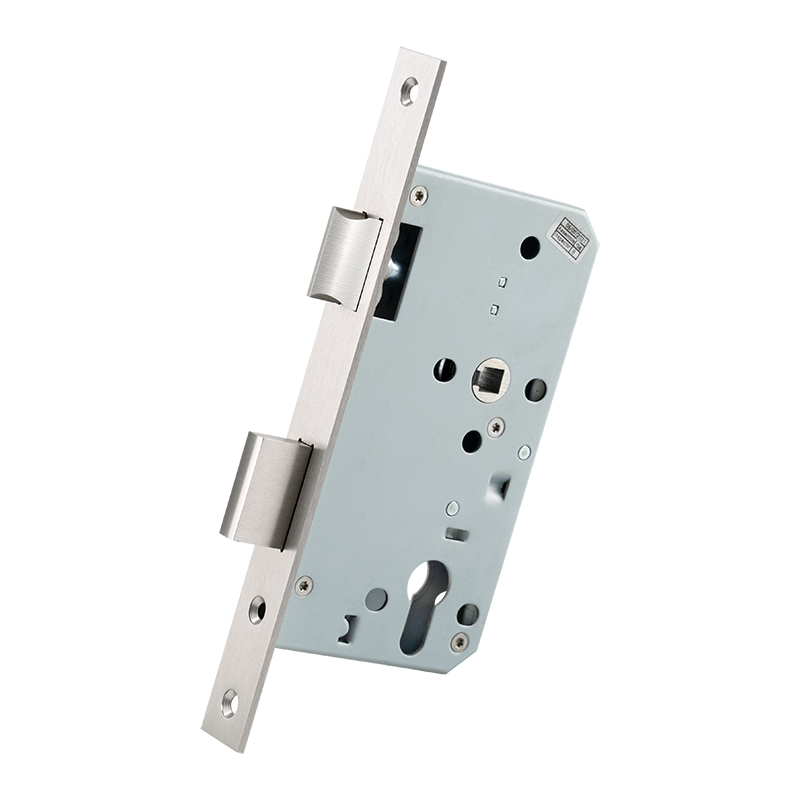
When architects, general contractors, and fire safety consultants design commercial spaces, life safety depends entirely on the reliable performance of compartmentalization barriers. During a building fire, flames, toxic smoke, and intense heat threaten structural integrity, making certified fire doors the ultimate line of defense. However, a fire door is only as strong as its individual components. Specifying compliant fire door hardware—ranging from mechanical locks and hinges to panic exit devices—requires a thorough understanding of European regulatory frameworks. Ensuring adherence to these rigorous legal standards is essential for passing building inspections and protecting occupants when emergencies strike.
The Legal Foundation of CE Marking and the Construction Products Regulation
The cornerstone of legal market access for construction products within the European Union is the CE mark, regulated under the Construction Products Regulation (CPR) (EU) No 305/2011. Under this legal framework, architectural hardware designed for use on fire- and smoke-compartment doors is strictly regulated. Affixing a CE mark is not merely a voluntary badge of quality; it is a legally binding declaration that the product fulfills essential health, safety, and environmental protection requirements. To achieve this, manufacturers must prove consistent performance through standardized testing, establishing an undisputed presumption of conformity across all EU member states.
Harmonized European Standards and Notified Body Testing Protocols
Field engineering experience demonstrates that laboratory verification is the bedrock of reliable fire safety hardware. Every category of fire door hardware must conform to specific harmonized European standards—such as EN 12209 for mechanical locks, EN 1125 for panic exit devices, and EN 1906 for door handles. These standards subject hardware samples to punishing trial phases, including thousands of continuous operational cycles, extreme physical side-load stress, and furnace thermal endurance tests. Accredited third-party laboratories, known as Notified Bodies, execute these evaluations to guarantee that internal mechanisms will never jam, warp, or fail when exposed to high-temperature fire environments.
Demystifying the Declaration of Performance and Traceability
Transparency and accountability are vital components of modern construction compliance. For every certified piece of fire door hardware, manufacturers must issue a formal Declaration of Performance. This legal document outlines the precise technical characteristics of the product, backed by an 8-digit classification code that details its durability, fire resistance, and corrosion grade. Project managers and building inspectors rely on these codes to verify that the installed components precisely match engineering specifications. Maintaining strict traceability from raw material procurement to the final installation site eliminates compliance gaps and secures project approval.
System Integration and Maintaining Thermal Integrity
A common pitfall in architectural specification is assuming that individual component certifications guarantee overall assembly safety. In reality, fire door hardware must function as a unified system. Modifying a door leaf with an uncertified hinge, a melting fastener, or an incompatible lock body can compromise the entire fire rating, allowing flames to breach the barrier. Premium hardware solutions utilize high-grade 304 stainless steel and specialized thermal engineering to ensure every interlocking element maintains structural stability under extreme thermal stress, preventing catastrophic failure during an evacuation.
Streamlining Procurement and Enhancing Commercial Value
For developers, distributors, and contractors, sourcing fully compliant life-safety equipment efficiently is critical for maintaining construction schedules and budgetary control. Working with fragmented suppliers often introduces administrative delays, documentation discrepancies, and inconsistent product quality. Partnering with an established manufacturer equipped with advanced automated production lines and rigorous quality control ensures absolute product traceability and reliability. DIROCK delivers advanced manufacturing capabilities and comprehensive supply chain solutions for certified fire door hardware, empowering global partners with high-performance systems that elevate both project safety and long-term brand value.
Table of Contents
- The Legal Foundation of CE Marking and the Construction Products Regulation
- Harmonized European Standards and Notified Body Testing Protocols
- Demystifying the Declaration of Performance and Traceability
- System Integration and Maintaining Thermal Integrity
- Streamlining Procurement and Enhancing Commercial Value